

2025 National Science Policy Network Cohorts

The 2025 NSPN Leaders Cohort engaged in a structured leadership experience designed to strengthen their ability to lead across sectors, navigate complex systems, and advance evidence-informed policy and practice.
2025 Leaders
-
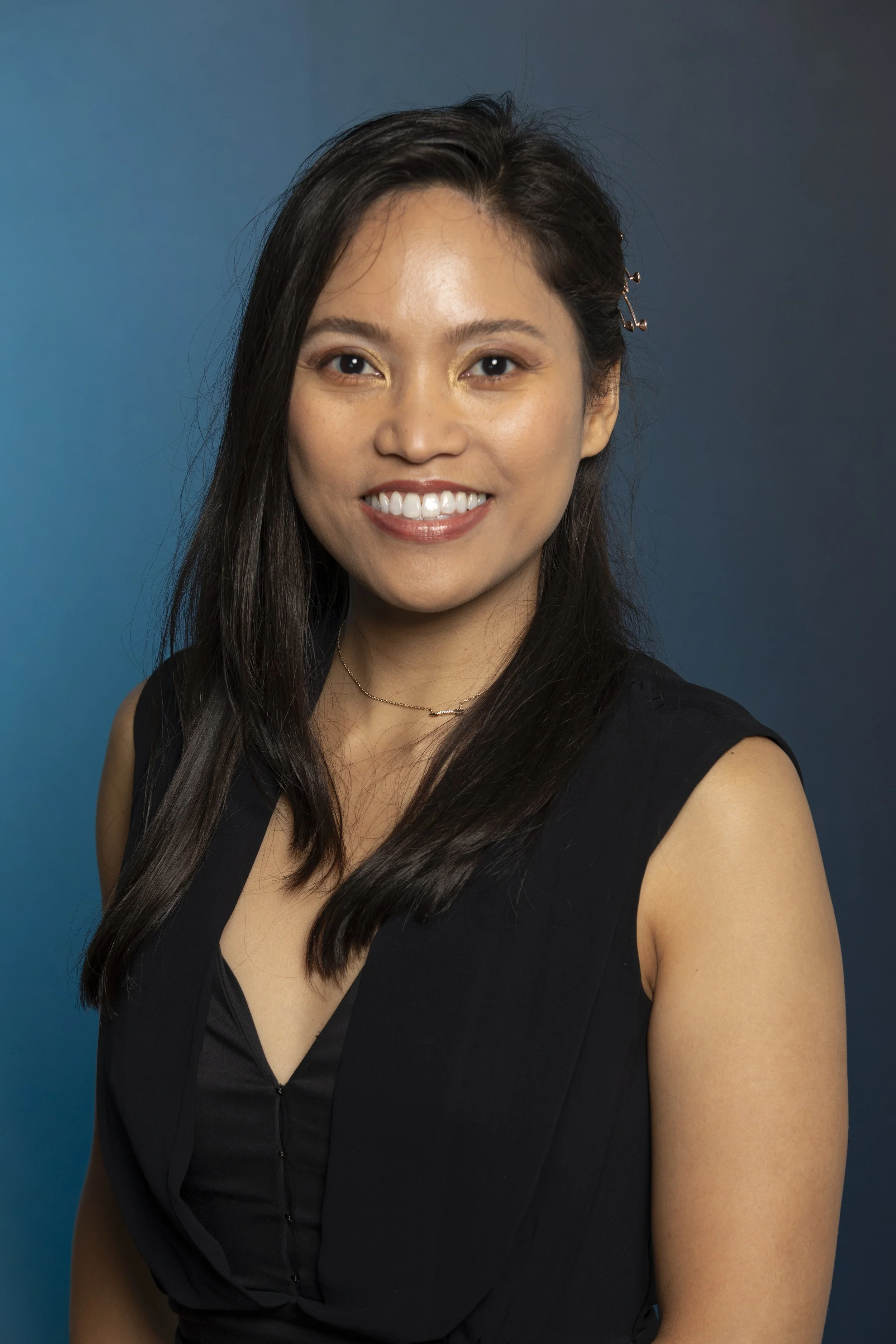
LAURIE ZABALA
Laurie Zabala is Senior Manager of Science Initiatives and Outreach at Research!America, a nonprofit medical and health research advocacy alliance. In this role, Laurie leads the Civic Engagement Microgrant program and the Science CEO group, bridging the gap between science and society. Previously, Laurie worked at the American Association for the Advancement of Science (AAAS), where she collaborated with scientific experts and policymakers to integrate evidence into decision-making processes. Laurie co-founded The Vannevar Group at Georgetown, advancing evidence-based science policy. In 2024, she created and taught a graduate course at Georgetown on the intersection of neuroscience and public policy. Laurie holds an M.S. in integrative neuroscience from Georgetown University, where her Alzheimer’s disease research earned her the “Best Scientific Poster” award. She also earned an M.A. in international relations from Hult International Business School in London and graduated summa cum laude with a B.A. in history from UCLA.
-
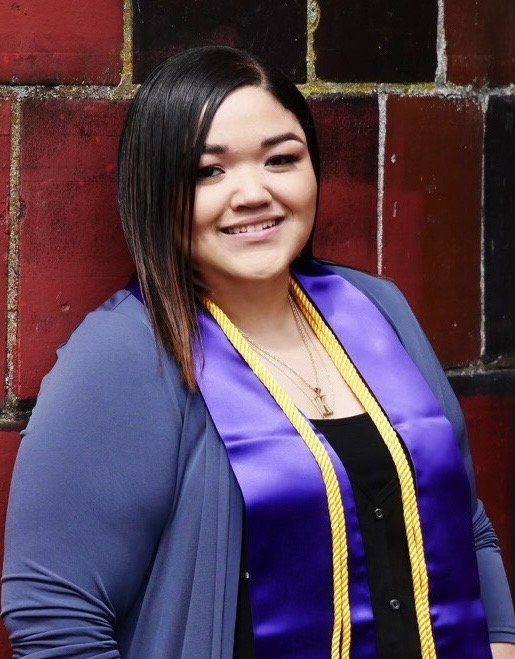
KIARA WIGGINS
Kiara Wiggins is a Ph.D. student at University of California Irvine, where she investigates inflammation's role in Polycystic Ovary Syndrome (PCOS), a prevalent health issue affecting people with ovaries. Growing up between rural Mississippi and Tacoma, WA, Kiara experienced the impact of health disparities firsthand, fueling her dedication to helping underserved communities. Through her research, Kiara aims to ensure that scientific progress benefits all communities, particularly those historically marginalized. Her commitment to impactful science and service drives her efforts to inspire the next generation of scientists and advocates. She earned a BS in biomedical sciences from University of Washington.
-

SAI SANKEERTH MADAKASIRA
Sai Sankeerth Madakasira, MD is a physician and currently an MS student in Clinical Research at Boston University, with a focus on trauma outcomes and healthcare disparities. His work centers on using evidence-based policy to improve trauma care access for underserved populations. Sai has led advocacy and mentorship initiatives, including revitalizing the Boston University Science Policy Network, and is passionate about fostering inclusivity in medical education and science policy. He earned a BS in Medical Imaging from Sikkim Manipal University in India, an MD from the American International Medical University – School of Medicine in Saint Lucia.
-

ELLIA LA
Ellia La, PhD is an Environmental Science and Policy Advisor at the California Department of Toxic Substances Control. Previously, she served as a California Council on Science & Technology Science Technology Policy Fellow. Her dissertation work focused on natural food colorants. She is committed to advancing policies that protect public health and the environment. Ellia holds a PhD in food chemistry from The Ohio State University and BS in chemistry from University of California, Santa Barbara.
-

SWAPTIK CHOWDHURY
Swaptik Chowdhury is an Assistant Policy Researcher at the RAND Corporation and a PhD candidate in public policy analysis at the Pardee RAND Graduate School Swaptik's research focuses on equity, decarbonization policy, and AI. His dissertation, "Equity Considerations for Model Centric Decision-Making Process," reflects his expertise in these areas. He is currently working on a project with a California county to guide public engagement in decarbonization policies. His doctoral work includes applying advanced climate policy models and AI tools, such as language models and discourse analysis models. Swaptik has co-authored reports on energy equity for California and worked on public engagement for environmental policy. Swaptik holds a MPhil in public policy analysis and an MS in civil, environmental, and structural engineering.
-

ANNA BRIGGS
Anna Briggs, PhD is a Principal Research Analyst at Idaho Southwest District Health. Anna has applied her expertise to policy initiatives, including her work with the Idaho Juvenile Justice Commission as a gubernatorial appointee and as a Science and Technology Policy Fellow in the Idaho Legislature and the Entomological Society of America. To share her interest in policy with young people, she served as the Legislation Co-Chair for the Idaho Syringa Girls State after being a delegate and Senator for the program in her youth. Overall, Dr. Briggs is passionate about connecting the public and decision makers with science and sharing her expertise in a way that will keep communities healthy and strong. She earned her PhD in Entomology and a BS and MS from the University of Idaho in Animal and Veterinary Sciences.
-

LUZ CUMBA GARCIA
Luz Cumba Garcia, PhD is an Advisor for Sustainability in PEPFAR at the U.S. Department of State’s Bureau of Global Health Security and Diplomacy. Previously, she was an AAAS Science & Technology Policy Fellow in the Office of Mexican Affairs, supporting U.S.-Mexico health policy, and at USAID’s Middle East Regional Cooperation Program, promoting Arab-Israeli scientific collaboration. Before joining AAAS, she was a Policy Advisor at Lewis-Burke Associates, focusing on public health and international affairs. Luz is a founding member of the Science Diplomacy Network in Latin America and the Caribbean, and an Inter-American Institute for Global Change Research (IAI) STeP Fellow. She holds a PhD in Immunology from Mayo Clinic, an MS from University of Granada, Spain, and a BS from Universidad Metropolitana in Puerto Rico. Awarded the Union of Concerned Scientists 2020 Science Defender Award, she is dedicated to advocacy, science communication, and community engagement.
-
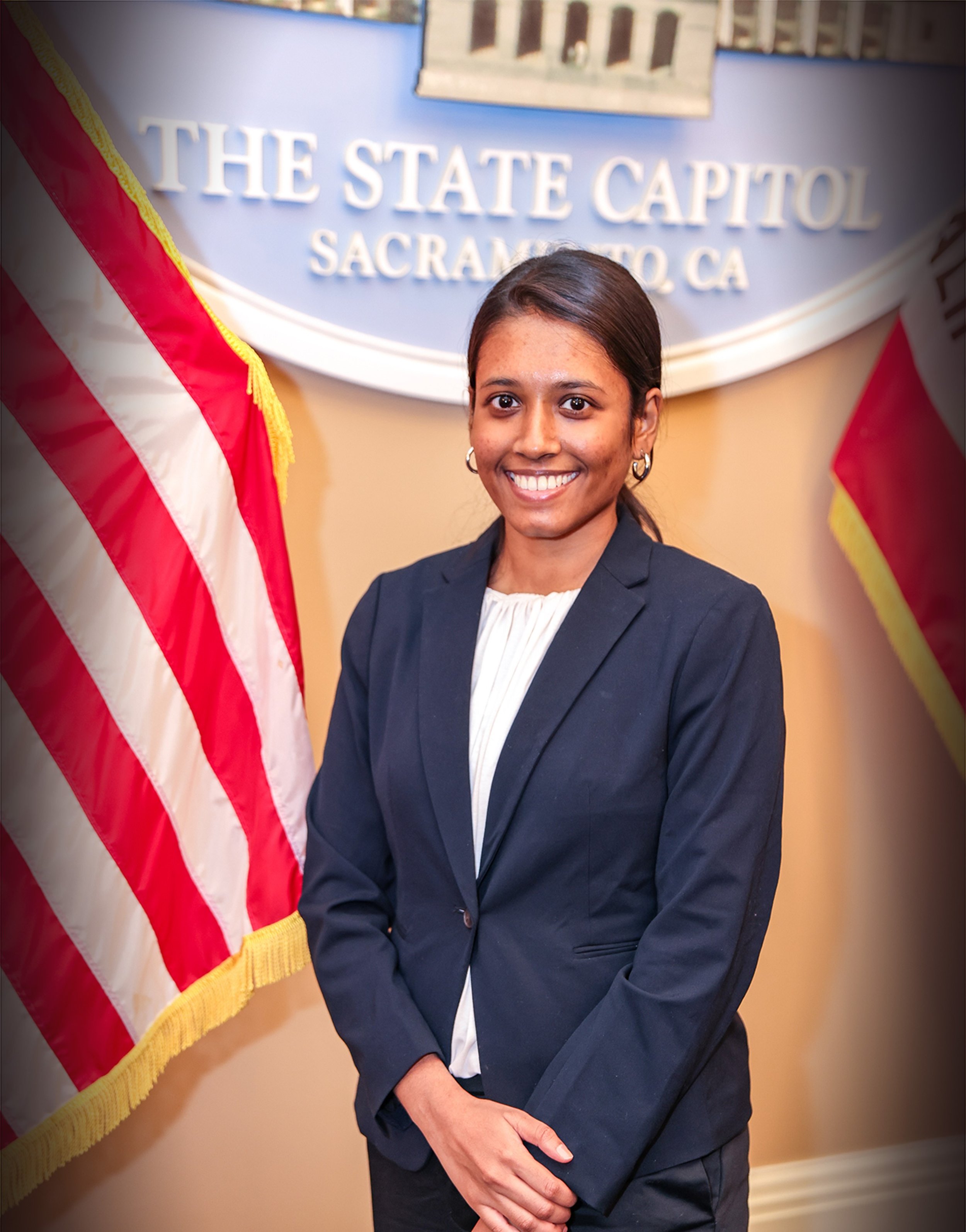
PS NANDINI
PS Nandini is a neuroscience and bioengineering PhD student in the University of California Berkeley-UCSF joint Bioengineering PhD program. Supported by prestigious fellowships, Nandini’s research integrates neurotechnology with policy, ensuring equitable access to mental health solutions. She founded The Keni Project, which established libraries in underprivileged schools in Tamil Nadu. An accomplished artist, she was awarded the National Balshree award, one of India’s top honors for youth given by the President of India. Nandini earned an MS in Neuroscience from Berlin, Germany and Amsterdam, The Netherlands, for which she was awarded the fully-funded Erasmus Mundus Scholarship by the European Union.
-

MICKEY ROGERS
Mickey Rogers, PhD is a Linus Pauling Fellow at the Pacific Northwest National Laboratory (PNNL), where she studies the effects of airborne algae on health and climate. In addition to her research, Mickey serves as a grassroots manager for Citizens' Climate Lobby and advocates for ocean conservation with the Sustainable Ocean Alliance. She is also the Younger Chemists Committee Chair for the American Chemical Society. Mickey's passion lies in bridging science with actionable policy and community engagement. She aims to pursue a career in ocean science policy, supporting climate action initiatives. Mickey holds a PhD in analytical chemistry and a BS in chemistry from The Ohio State University.
-

AHMAD ALSOMALI
Ahmad Alsomali is a Senior Research Technician at Patel’s Lab at Memorial Sloan-Kettering Cancer Center, where he manages lab operations and supports molecular biology research. Ahmad's career spans both academia and industry, including prominent roles at Memorial Sloan-Kettering Cancer Center and AbbVie Inc. Ahmad’s expertise encompasses biopharmaceutical process development, structural biology, and clinical research. He is skilled in various laboratory techniques and has experience in GMP manufacturing, process monitoring, and data analysis. Ahmad is committed to advancing the field of biotechnology, particularly through the development of therapies for rare diseases. He holds a bachelor's degree in biochemistry from King AbdulAziz University and MS in biotechnology from Northeastern University.
2025 Politics Aside: Government Efficiency
The 2025 Politics Aside, Washington, DC cohort participated in a hands-on workshop on government efficiency, exploring how evidence, systems thinking, and cross-sector collaboration can improve public-sector performance.
-
Rachael Brink Akay, PT, DPT
PhD candidate Rehabilitation Sciences
University of Colorado Anschutz Medical Campus -
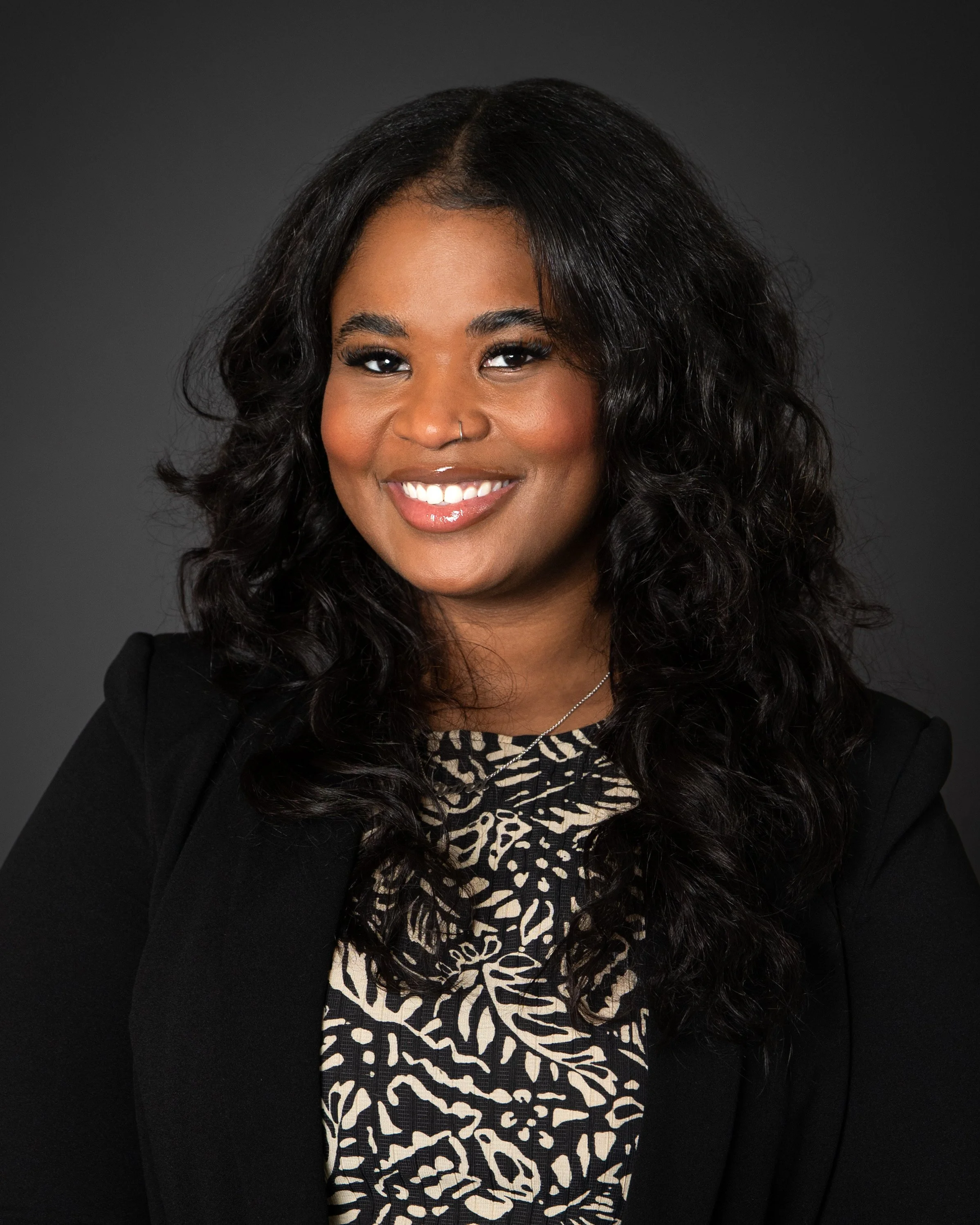
Kiara Brown
Developmental Psychology
Virginia Commonwealth University -

WenHsin Chi
Science, Technology, and Society (STS)
University of Virginia
National Yang Ming Chiao Tung University -

Erin Cullinane
Lung Cancer (genetics and genomics/immunology)
Boston University -
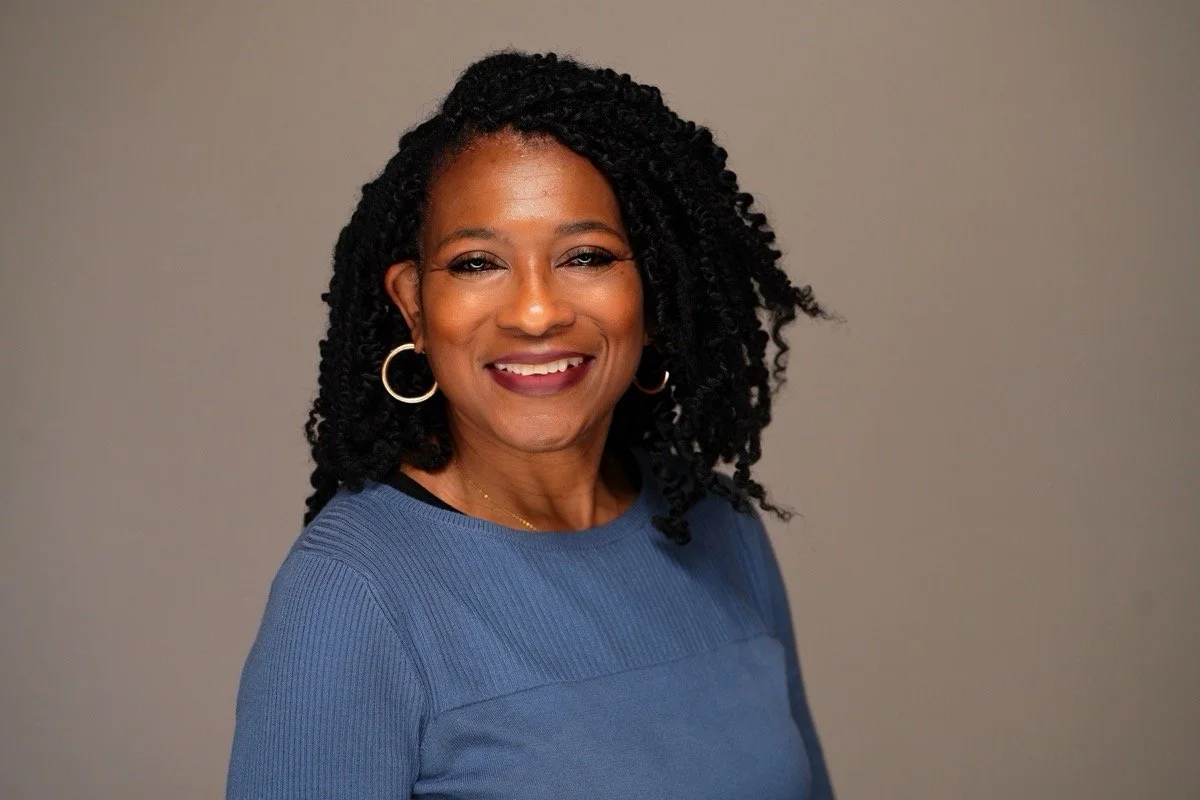
Simone Green
Political Science
Howard University -

Douglas Job
Molecular Biology
Montclair State University -

Mara Karageozian, PhD
Associate Research Professional
Consortium for Science, Policy & Outcomes at Arizona State University -

Mia Klopfenstein
Materials Science and Engineering
New York University -
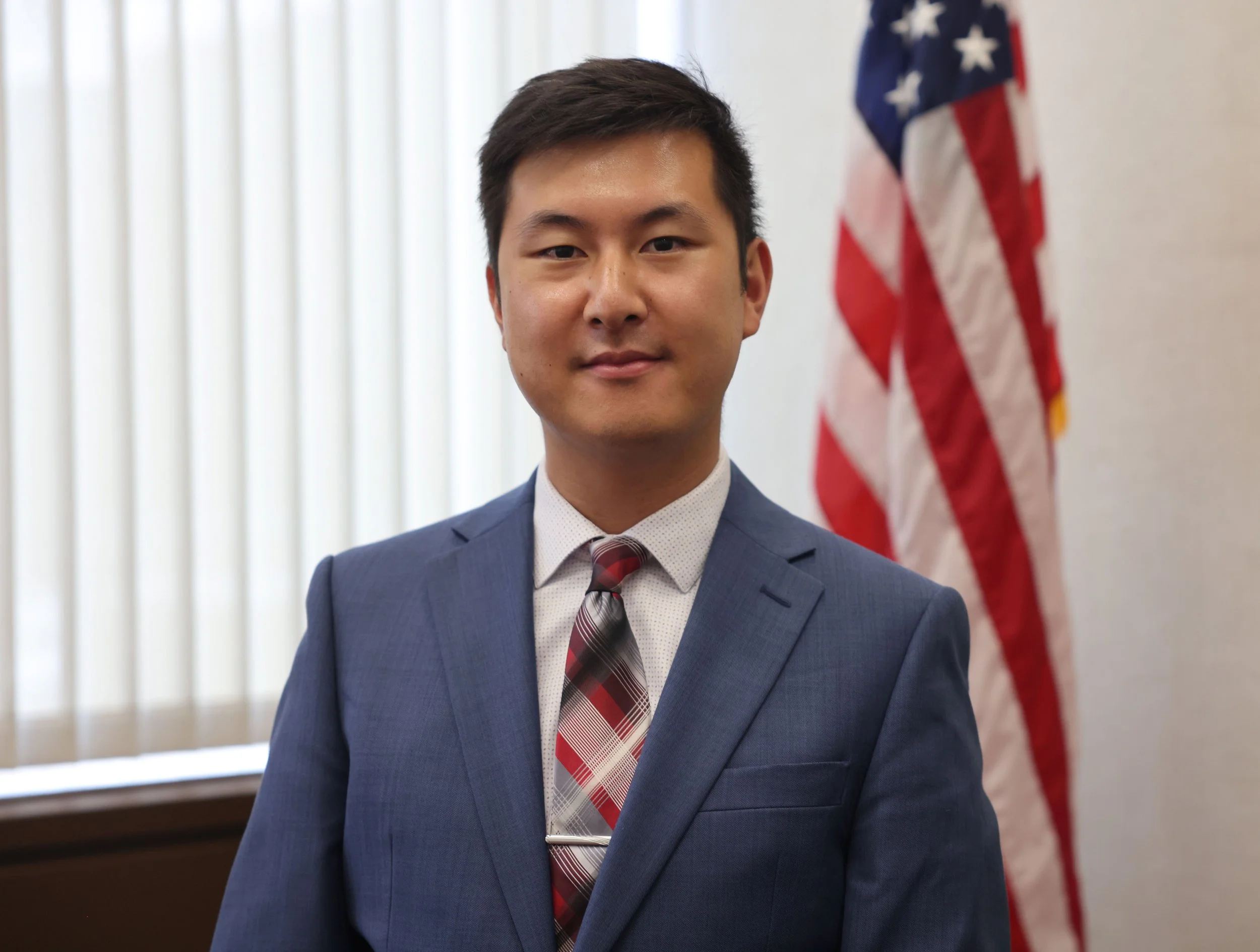
David Lu
National Nuclear Security Administration Graduate Fellow
Pacific Northwest National Lab -
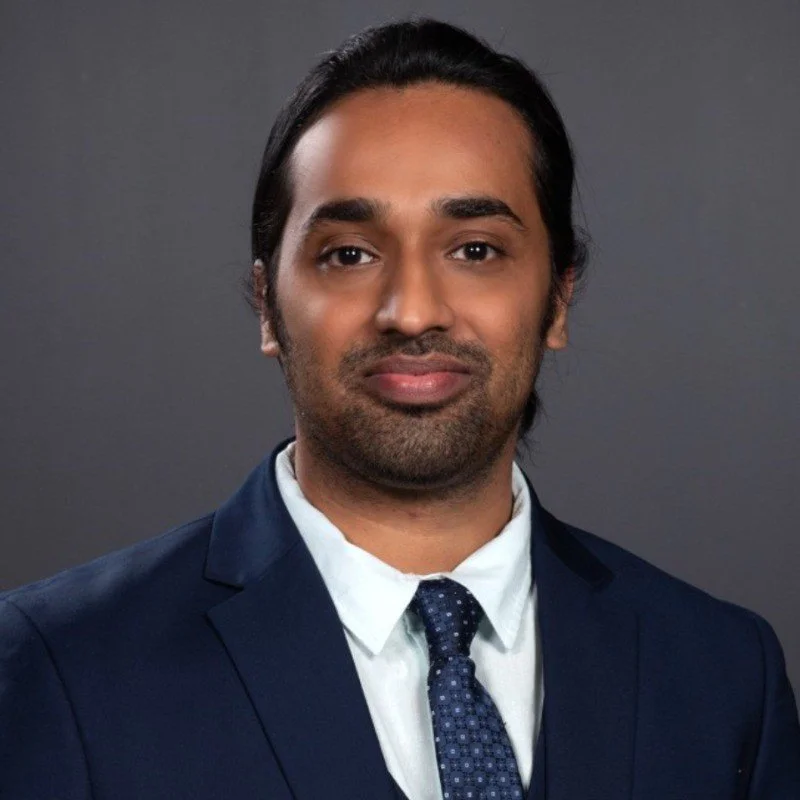
Sai Sankeerth Madakasira
Clinical Research Candidate (MSCR)
Boston University -
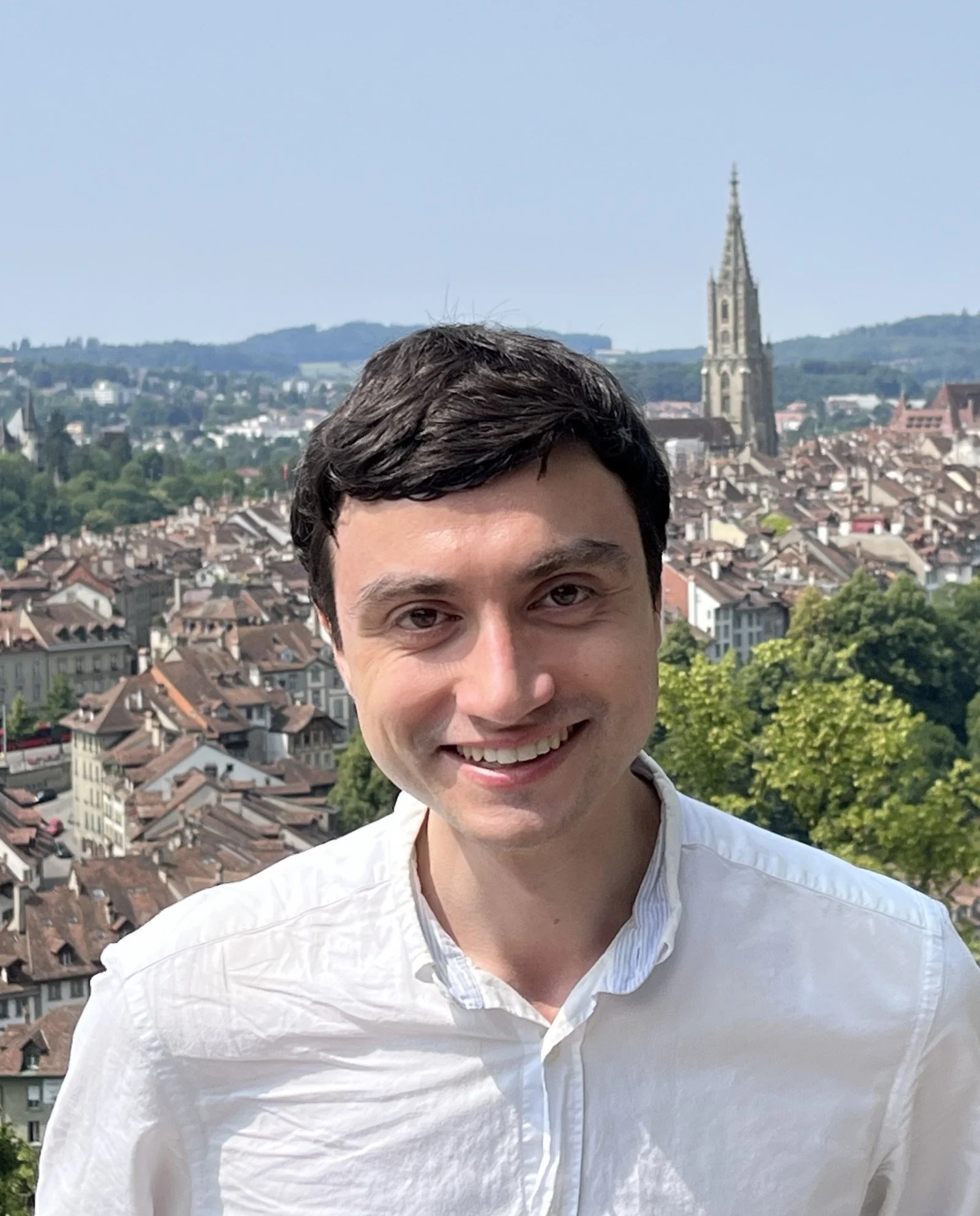
Daniel Marx
Accelerator Physicist at Electron-Ion Collider
Brookhaven National Laboratory -

Lenore Monterroza, PhD
Program Manager, Neuro-Oncology Department
Inova Schar Cancer Institute -

Anthony Okeke
Political Science
Howard University -
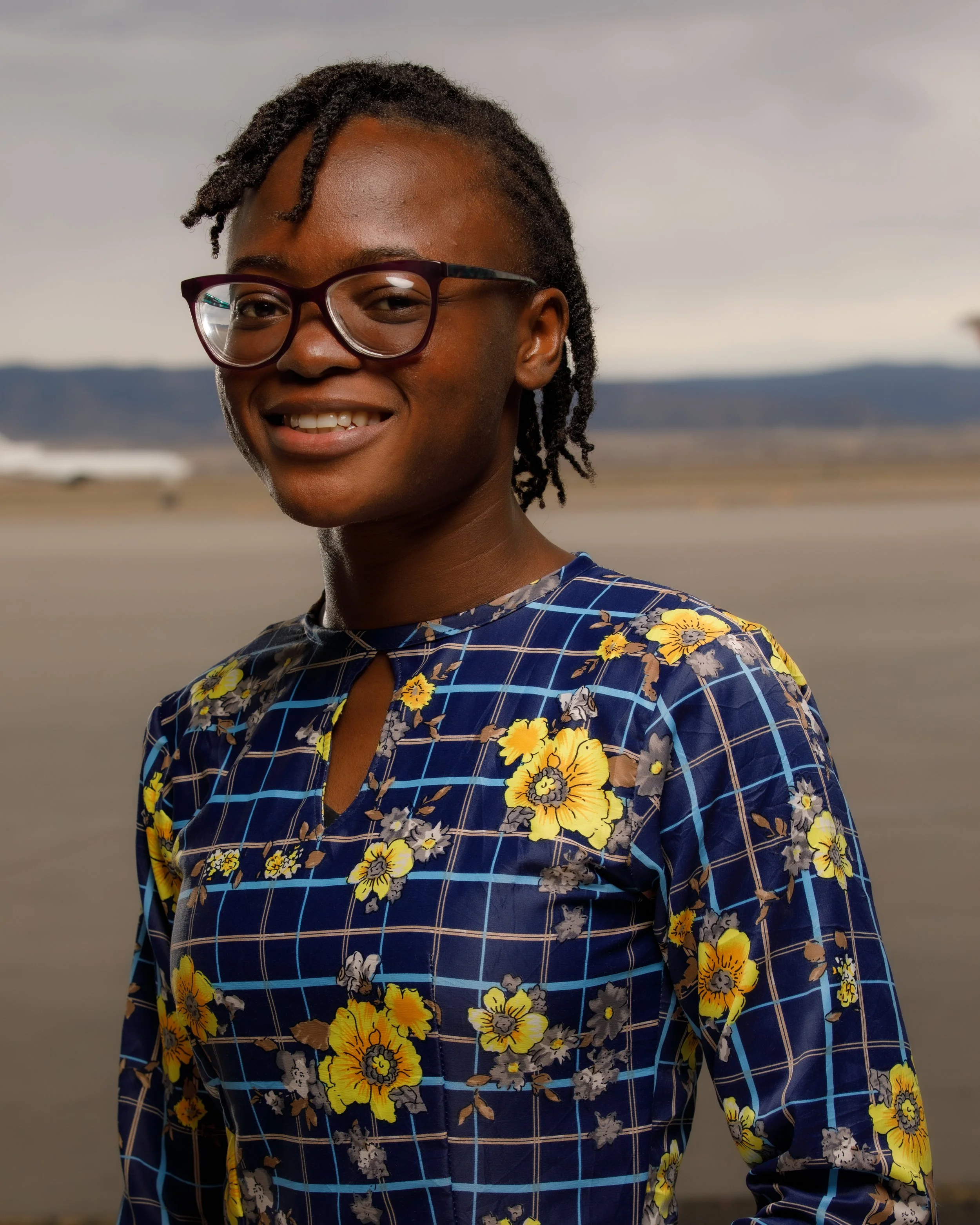
Rebecca Owopetu
Chemical Biology
University of New Mexico -
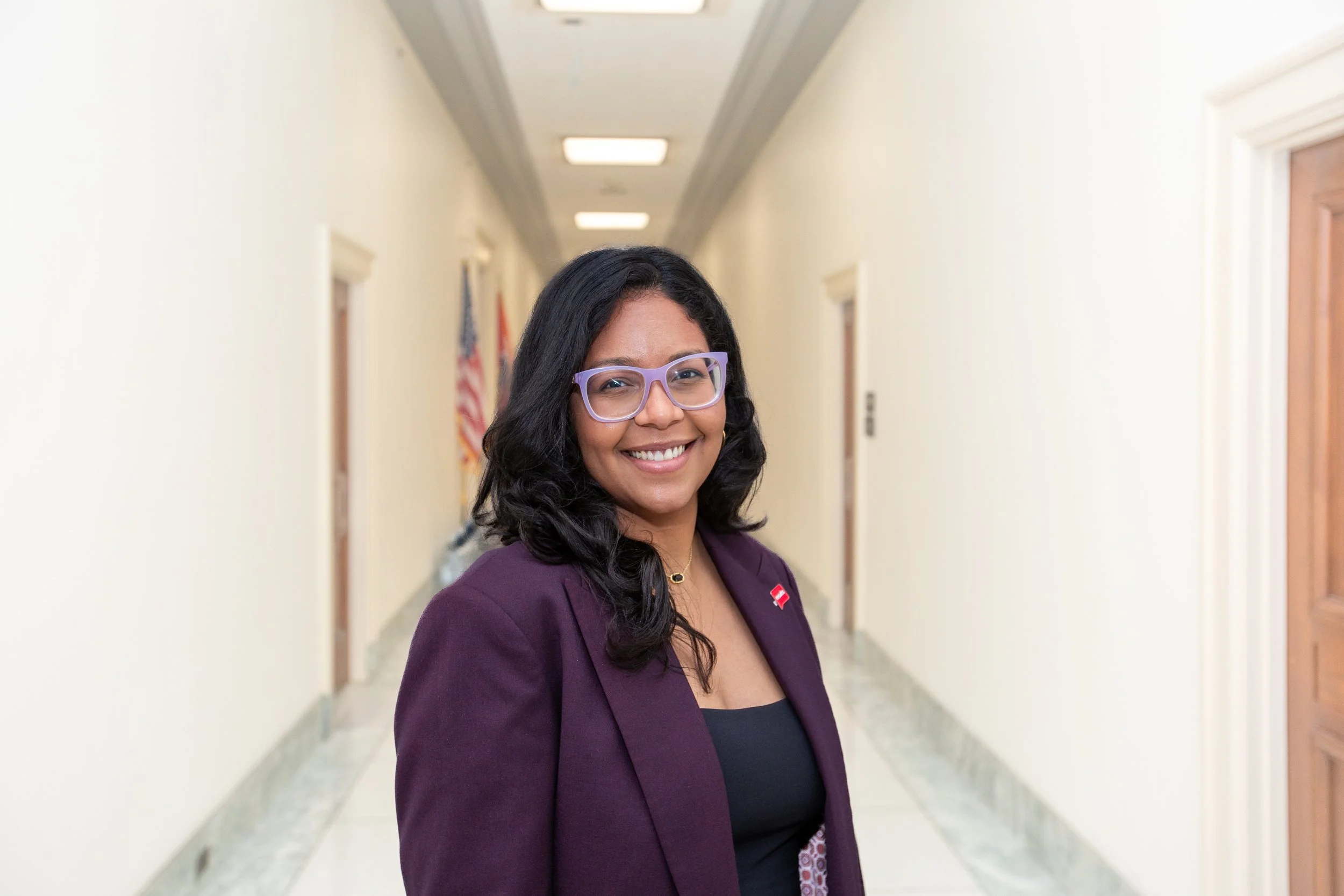
Natalia Rodriguez Sosa, PhD
Neuroscience
RESULTS and RESULTS Educational Fund -

Mickey Rogers, PhD
AAAS Science Technology and Policy Fellow
Department of Energy -

Vianey Rueda
Environment and Sustainability
University of Michigan
2025 Christine Mirzayan Fellow -

Karma Sawyer
Division Director, Electricity Infrastructure & Buildings
Pacific Northwest National Laboratory -
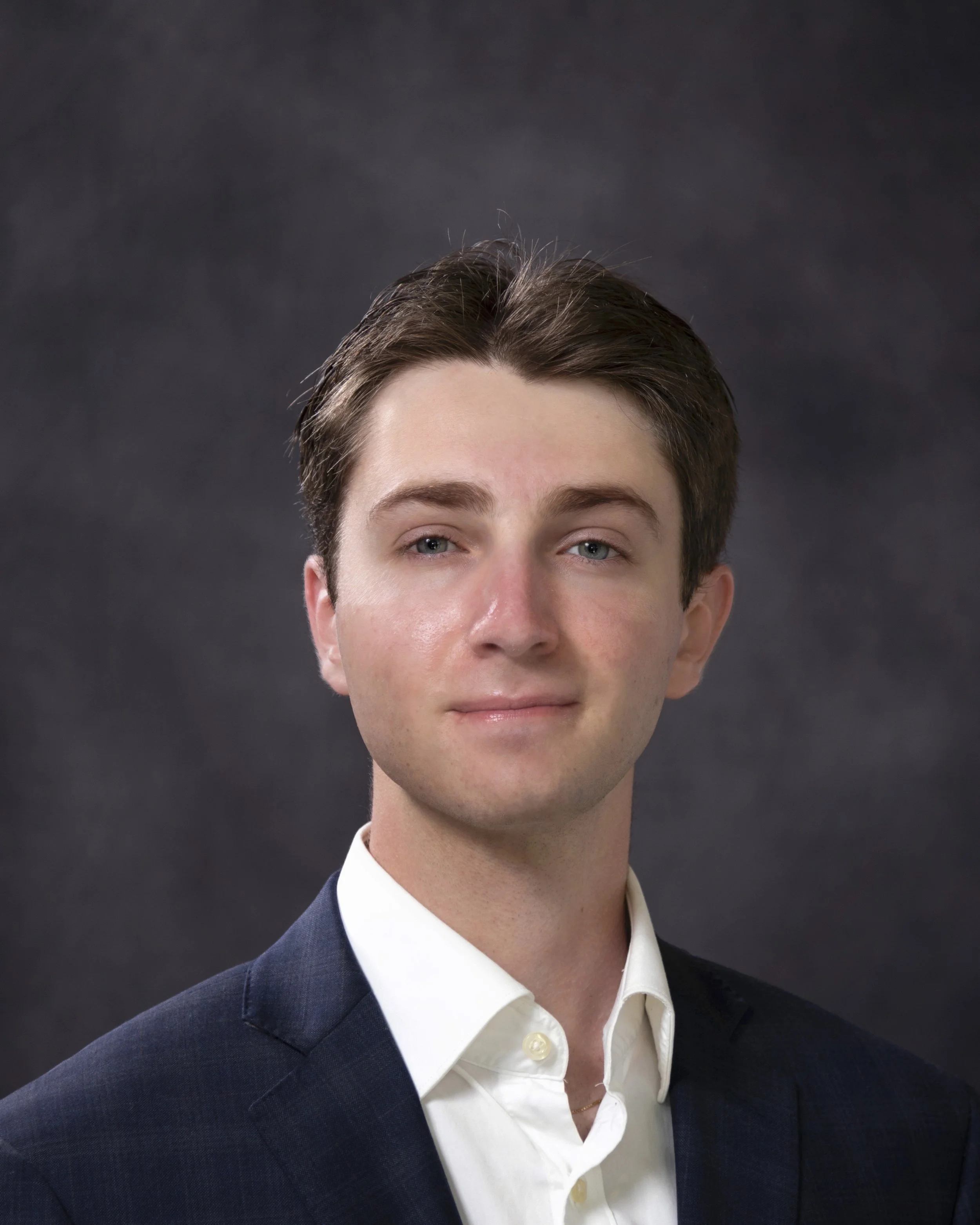
Alexander Scala
Microbiology and Cell Science
University of Florida
2025 Science Diplomacy Teams Project
The 2025 Politics Aside, Washington, DC cohort participated in a hands-on workshop on government efficiency, exploring how evidence, systems thinking, and cross-sector collaboration can improve public-sector performance.
-

Samuel Abinsinguza
Fellow with the Department of State
Samuel is a software engineer and a Master’s candidate at Pardee RAND Graduate School, specializing in emerging technologies, ethical governance, and national security policy. As a Technical Product Manager at Eboore LLC, Samuel led the development of a self-publishing platform, and reading apps that increased access to organized knowledge in emerging markets. He has also volunteered with the McKinsey Foundation, managing educational support program for abandoned children in Uganda, and has worked on technology initiatives that have improved donor engagement and operational efficiency for social impact.
His current research focuses on the Ethical Mesh Network (EMN), a governance framework for autonomous systems designed to integrate ethical principles through cross-domain learning and dynamic trust protocols. This innovative framework aims to create an adaptive, moral ecosystem that allows autonomous systems to evolve collaboratively while maintaining ethical integrity. He is uniquely positioned to bridge technology and ethical innovation, contributing to solutions that address global challenges.
-

Aixa Y. Alemán-Díaz, Ph.D.
Fellow with the Institut Pasteur, France
Aixa is a social scientist with an international perspective seeking an immersive learning experience in science diplomacy. Aixa’s research interrogates global ideas in national policies for science, technology, and innovation (STI) to understand the ways in which national tropes and objectives are co-constructed locally. She is interested in the science of science policy and the politics of innovation. Aixa is a postdoctoral researcher at Emlyon Business School where she examines the organization of science advice across national strategic STI policy making initiatives in emerging technologies. Aixa has also worked on housing policy as a Presidential Management Fellow in the U.S. Previously she co-led an international research network on child and adolescent health in Europe and North America. Aixa has also consulted for the WHO on the European child and adolescent health and well-being strategy, and established a WHO collaborative center on child and adolescent health policy in Scotland. Aixa takes every opportunity to advocate for the use and translation of scientific evidence in policy making. Dr. Alemán-Díaz has a Bachelor's degree and a Master’s in public policy from the University of Chicago, and a PhD in Sociology from the Copenhagen Business School in Denmark.
-

Angelica Barreto-Galvez, Ph.D.
Fellow with the Embassy of Argentina
Angelicais a Project Manager at the New Jersey Department of Health’s Office of Minority and Multicultural Health, where she leads initiatives to address health disparities in populations experiencing inequities in health access and outcomes. Previously, she was an Eagleton Science and Policy Fellow, where she worked on the New Jersey COVID-19 Task Force on Racial and Health Disparities, helping to design strategies for equitable distribution of health resources. Angelica’s expertise in public health policy, data analysis, and project management informs her work, with a focus on improving health outcomes, and promoting equity. She holds a Ph.D. in Molecular Biology from Rutgers University and is passionate about advancing global health, with particular interest in improving health systems across diverse regions. Angelica is dedicated to bridging science, policy, and diplomacy to create sustainable solutions to global health challenges, with a focus on addressing the social determinants of health and ensuring equitable access to research and innovation.
-

Raegan Bishop, Ph.D.
Fellow with the Global Health Agenda Security Consortium
Raegan is a postdoctoral research fellow at the National Human Genome Research Institute at the National Institutes of Health. interested in the factors that influence health behaviors in marginalized communities, primarily Black Americans. Her work currently focuses on how to encourage family health history communication within families, and how that communication can be used to encourage engagement in healthy behaviors. Dr. Bishop is also interested in the role of social support in health behavior engagement, particularly among women in marginalized communities.
-

Paris Brown
Fellow with the Department of State
Paris is a third-year PhD candidate in Biomedical Engineering at Duke University and is also pursuing an MA in Bioethics and Science Policy. Her research focuses on using human brain organoids to study neuroinflammation, with applications in regenerative medicine and disease modeling. Paris is passionate about the intersection of neurotechnology, artificial intelligence, and science policy, with a goal of developing equitable and ethical policies for emerging technologies. Beyond her academic work, she serves as the DEI Chair for the Engineering Graduate Student Council and is actively involved in initiatives like Sisters in STEM and the PhD Advisory Board for Duke's Graduate Communications and Intercultural Programs. She is also an associate editor for the Journal of Science Policy and Governance (JSPG) and mentors students to help them achieve their academic and professional goals. Paris aspires to advance global collaboration in science policy and diplomacy, ensuring that innovation is responsibly developed and accessible to all.
-

Laura (Elle) Chimiak, Ph.D.
Fellow with the Department of State
Laurais a geochemist whose research focuses on the Origins of Life with a PhD from the California Institute of Technology. During her postdoc at The University of Colorado Boulder she was an AGU's Voices for Science Fellow in Science policy. She has applied her knowledge of STEM education and lobbying to aid rural towns in increasing STEM funding and opportunities. These efforts included bringing scientists into rural towns for STEM outreach events, organizing constituents to reach out to their lawmakers on specific legislation, and teaching scientists about the STEM-related needs of rural towns.
-

Kaitlyn Connors
Fellow with the Global Health Agenda Security Consortium
Kaitlyn is pursuing a master’s in Biohazardous Threat Agents & Emerging Infectious Disease at Georgetown University. She also studies the Dengue virus and Wolbachia co-infections in Dr. Tadahisa Teramoto’s research laboratory. She aims to move from academia in science and biotechnology policy aimed at improving global health surveillance and data integration. Kait holds a BS in Biology and Public Health from the George Washington University in Washington, DC.
-

Paola Flores
Fellow with the Embassy of Argentina
Paola is a fourth-year Ph.D. student in Biomedical Sciences at Ponce Health Sciences University (PHSU) in Puerto Rico. Her research focuses on understanding the adaptive immune response in individuals seropositive for dengue in Puerto Rico, contributing to the broader knowledge of tropical diseases in endemic regions. She is an active member of professional organizations such as the American Association for the Advancement of Science (AAAS), the Puerto Rico Society of Microbiologists, and the American Society of Tropical Medicine and Hygiene (ASTMH). In 2023, she was awarded the prestigious ACAV Travel Award during the ASTMH annual meeting for her outstanding research in arboviral diseases. Committed to science communication and policy advocacy, she aspires to contribute to improved science policy in Puerto Rico, fostering a stronger connection between research and societal impact. She earned her bachelor's degree in Industrial Microbiology from the University of Puerto Rico, Mayagüez.
-

Sarah Catherine Hawthorne, M.S.
Fellow with the Department of State
Sarah Cate is a PhD candidate in cell and molecular biology at Oregon Health & Science University. She obtained a bachelor’s degree in biology and English at the University of Notre Dame, followed by a master's degree in global health at Trinity College Dublin. Her doctoral studies are focused on the cellular mechanisms of a rare neurodegenerative disease, and her previous research was in tropical infectious diseases. She has been involved in a number of science policy initiatives, including operating a science policy outreach organization in her hometown of Portland, Oregon, and serving as an elected representative on university policy boards. Her research projects have always involved extensive international collaboration, leaving her with a strong interest in science diplomacy. She has been involved in projects on scientific capacity-building in low-resource settings, and is currently leading a research project on regulatory frameworks for multi-country clinical trials. She is passionate about the ways that scientific research can foster global collaboration, and ensuring that scientific discoveries are developed and shared by all.
-

Jayashree Iyer
Fellow with the Department of State
Jayashreecurrently attends Georgetown University as a Master’s student in Global Health. During her B.S. in Biomedical Engineering at Arizona State University (ASU), she interned for three years at a translational research institute studying brain tumors and drug delivery. She also worked in education policy research for a year through ASU to study STEM education styles in different global contexts. After college, Jayashree moved to Cambridge, Massachusetts to work at Draper Labs as a bioengineer. There, she conducted cellular and molecular research to model organ systems, primarily the intestine and brain. Throughout her work experiences, she led outreach efforts to promote bioscience to schools in the surrounding community, hoping to eventually combine her love of science and communication in a graduate program in DC. Her personal goal is for reproductive education and healthcare to be completely accessible. Post-graduation, she aims to support different communities to receive preventative care and promote long-term wellbeing for women and children in an equitable manner, as she is pursuing a Global Health degree to accomplish this abroad. Her current internship in science policy at Research!America is equipping her with the skills necessary to advocate for evidence-based policymaking.
-

Emma Kelsick
Fellow in the Institut Pasteur, France
Emma is a PhD candidate at the University of Georgia and researches how nutrients move through the environment to reliably grow food and keep water clean. She plans to continue researching how agricultural practices can be incorporated into policies to improve equity in addressing the challenges of global food and water security. She is passionate about community engagement and has served two AmeriCorps terms to help meet critical needs in education and the environment. Emma has also worked in academic, government, and industry settings and is skilled in bioinformatics, microbial and molecular techniques. She completed her bachelor’s degree in biology from Bard College.
-

Jeffrey Lee, Ph.D.
Fellow with the Global Health Agenda Security Consortium
Jeffrey Lee,PhD is a Technology and Security Policy Fellow at RAND. His research covers AI and biosecurity topics with a focus on evaluating AI capabilities and misuse risk. Previously, Jeffrey was a Security Working Group Liaison for Engineering Biology Research Consortium where contributed to a technical research roadmap for space health, established the EBRC’s BIoSecurity Opportunities Nexus (BISON), and developed educational material for students interested in biosecurity. His dissertation work focused on mining the gut microbiome for peptides that modulate host-microbe and microbe-microbe interactions using virtual chemical screening approaches and functional assays. He also completed a science, technology, and environmental policy certificate where he focused on antimicrobial resistance, antimicrobial drug markets, and national security. Jeffrey holds a PhD in molecular biology from Princeton University as well as an MEng in Energy, Environment, and Chemical Engineering, an MPH in global health, and a BA in biology from Washington University in St. Louis.
-

Malina Loeher, Ph.D.
Fellow with the Department of State
Malina Loeher is a Postdoctoral Research Fellow at Alaska Pacific University, based at the USGS Western Fisheries Research Center. Her NSF-funded work focuses on understanding how wildlife epidemiology and climate change interact and impact fish species which are critical to sustainable local economies and subsistence food systems in the Pacific Northwest. Previously, her doctoral work focused on understanding viral evolution in vertebrate hosts following host jumps. She holds a BS in Environmental Toxicology from UC Davis and a PhD in Marine Science from the Virginia Institute of Marine Science, William & Mary.
-

Mary McDonnell, M.S.
Fellow with the Institut Pasteur, France
Mary McDonnell is a Biomedical Engineering PhD student within the Pathways & Omics Group at Oregon Health & Science University (OHSU). Currently, her project focuses on the etiological basis of colon cancer. Her previous work at OHSU was in translational medicine focused on providing genomic data for clinical assessment of patient pancreatic cancer tumors in order to improve patient outcomes.
In the past, Mary taught both undergraduate and graduate students the principles of genetics and systems biology as an adjunct professor of Biology and Engineering.
She holds both a bachelor's degree and master's degree in biology. She plans to utilize her training and experience in biomedical engineering towards improving patient outcomes through the development of models that can be used for clinical assessment of disease progression.
-
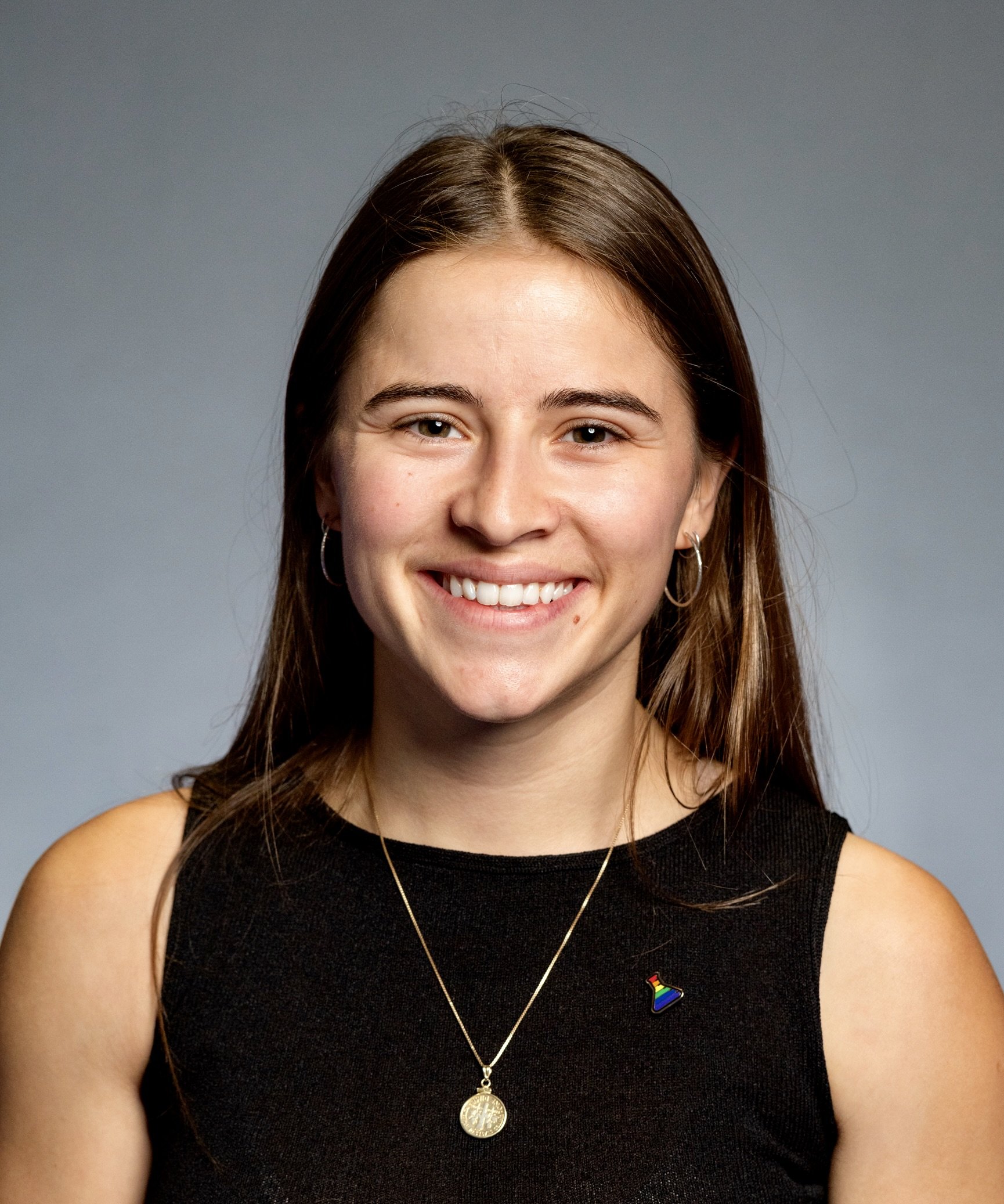
Emma-Rose Newmeyer
Fellow with the Institut Pasteur, France
Emma-Rose Newmeyer is a Ph.D. student at Northwestern University, supported by the NSF GRFP fellowship, her research integrates catalysis and photonics. She investigates photoactive nanomaterials to decarbonize the chemical manufacturing industry. She has spent her time in academic, government, and corporate labs in the United States and in Europe before starting her journey in science policy and diplomacy. She has joined The Carbon League as a fellow working with key stakeholders to tackle pressing sustainability and equity challenges in Chicago. Her work promoting equitable grid modernization and clean transportation in environmental justice communities has cemented her desire to make meaningful impact through policy. She serves as a Legislative Outreach Co-chair for Northwestern’s science policy group and has helped start a coalition of university science policy organizations across Illinois, the Illinois Science Policy Consortium. She grew up in France before moving to the United States to later pursue a B.S. in Chemistry at the University of California, Santa Barbara. Emma-Rose’s path into academia was unorthodox making her passionate about increasing access to spaces requiring a graduate education. Overall, her interests lie in climate policy and community engagement, addressing issues of environmental justice at the local and international level.
-

Dorianis Perez, Ph.D.
Fellow with the Embassy of Argentina
Dorianis Perez, PhD is a Postdoctoral Research Associate at Los Alamos National Laboratory working on AI trustworthiness for scientific applications and simulations of hypersonic mechanics, materials, and structures. Dorianis earned her PhD in Computational Science from Florida State University, where her research focused on characterizing turbulence in simulations of wind flow over a forest canopy for wildfire applications. She also holds a Master of Science in Forensic Anthropology from Mercyhurst University and a Bachelor of Science with dual majors in Forensic Science and Mathematics from Hofstra University. As a first-generation college graduate and daughter of Dominican immigrants, Dorianis has always had a passion for programs and organizations that propel underrepresented communities into STEM fields. She serves as the Vice President of Collegiate Relations for SHPE New Mexico Professional, a non-profit that focuses on community-building and professional advancement for Hispanics in STEM, the Board Secretary for The MASTERS Program Early College Charter High School, an Adjunct Professor in the Department of Mathematics and Physical Sciences at Northern New Mexico College, and a Project Assistant for the Our Future is Science Program at the Aspen Institute.
-

Roberto Rodriguez Cartagena
Fellow with the Embassy of Argentina
Roberto Rodriguez Cartagena is a Ph.D. candidate at The Rockefeller University, where he is exploring the molecular mechanisms underlying neuronal development in the central nervous system. Before joining The Rockefeller University’s graduate program, Roberto obtained his bachelor’s degree in Biology at the University of Puerto Rico at Mayagüez, followed by an NIH Post-baccalaureate Research Fellowship at the University of Washington. Roberto’s experiences as a Puerto Rican in STEM inspire him to complement his scientific endeavor with leading efforts aimed toward the recruitment and retention of underrepresented minorities in STEM. At his graduate institution, he co-founded, along with four of his classmates, a community college outreach initiative. Currently, he serves as the Webinar Coordinator for the nonprofit organization Cientifico Latino, which focuses on providing aspiring graduate students from minoritized backgrounds careful mentorship for their graduate school applications. His scientific research and diversity advocacy have awarded him scholarships to further his training at the Marine Biological Laboratory and Cold Spring Harbor Laboratory. He currently aims to use the expertise obtained from his research and scientific outreach experiences to create inclusive spaces in international scientific collaboration as a strategy to address the world’s most pressing challenges.
-

Kaetlyn Ryan
Fellow with the Global Health Agenda Security Consortium
Kaetlyn Ryan is a Ph.D. student at the University of Wisconsin-Madison where she studies drug discovery for Neglected Tropical Diseases. She previously received BS degrees in chemical engineering, biochemistry, and biology from North Carolina State University. She hopes to engage in science policy and apply research like her own to addressing health disparities caused by infectious diseases, especially those whose challenges are worsened by climate change. She is also passionate about increasing STEM education access to those historically underrepresented or underserved.
-

Aicha Sama
Fellow with the Department of State
Aicha Sama is a chemical engineer at Saint-Gobain, a global material manufacturer and innovative research hub. In this role, she creates and tests various resin formulations for ceramic 3D printers. She also implements sensors that live track the humidity, temperature, and quality of a print to enhance quality control measures and further advance digital manufacturing goals. Aicha further explores manufacturing principles by visiting and working in Saint-Gobain manufacturing plants across the United States and Canada every three months. She participates in group projects at each plant, aimed at providing a new perspective on ways plants can improve their processes to maximize yield and come closer to reaching company-wide sustainability goals. Driven by her passion for science-based communication, and closing the gap between science, industry, and law, she plans to further explore technology and environmental policy in law school and beyond. She earned a BS in Chemical Engineering and a BA in Political Science from Brown University.
-

Harrison Schreiber
Fellow with the Department of State
Harrison Schreiber is a Master of Public Policy candidate at Duke University’s Sanford School of Public Policy and a William D. Clarke Diplomatic Security Fellow with the U.S. Department of State. His studies focus on global security issues, with a particular interest in the intersection of diplomacy, technology, and governance.
Harrison graduated from Claremont McKenna College with a degree in Government and History, where he also minored in Genocide and Human Rights Studies. He began his career as a consultant at FTI Consulting, where he collaborated with clients in the aerospace and defense sector, honing his analytical and problem-solving skills.
At Duke, Harrison conducts research on critical issues in space policy and cybersecurity, focusing on international cooperation, governance frameworks, and the implications of emerging technologies. He has contributed to projects examining how nations collaborate on complex global challenges and is passionate about advancing equitable policies that foster innovation and resilience. Through his work, Harrison aims to strengthen global partnerships and ensure technological progress benefits a diverse array of communities.
-

Sarah Shainker, Ph.D.
Fellow with the Institut Pasteur, France
Sarah Shainker recently graduated with her PhD in Biology from the University of Alabama at Birmingham. Her research focused on the population genetics and ecology of freshwater algae. During this time, she became involved with science policy through a graduate certificate program and the Scholars Strategy Network. Prior to graduate school, she served as a Peace Corps volunteer in the Philippines, working with the local government, schools, and fisherfolk to implement projects in environmental education and coastal resource management. Sarah is excited to strengthen her science policy skills through the Mirzayan Fellowship and aims to pursue a career in community-engaged, science-based environmental management or conservation.
-

Emmy Tither, M.A.
Fellow with the Embassy of Argentina
Emmy Tither is a PhD candidate at University of Illinois Urbana-Champaign in the School of Information Sciences’ Informatic Program. Emm’s research is grounded in complex systems theory, with a focus on measuring and mapping political and cultural systems through mixed methods, driving efforts to bridge the gap between research and actionable policy. Emmy's work broadly examines armed conflict, humanitarian crises, and multilateral interventions, with a specific emphasis on the interaction between sound, violence, and international law. This research investigates sound as both a primary tool for violence and as an additional dimension of violent acts. Emmy holds an MA with Distinction in Documentary Arts from the University of Cape Town and a BSc with Honors in Social Sciences from Birkbeck, University of London.
-

Abdul Zamani, Ph.D.
Fellow with the Department of State
Abdul Zamani, PhD is a postdoctoral researcher at the University of Pittsburgh where he develops entropy-driven computational methods for modeling electron correlation effects important for describing chemical reactivity. Abdul aims to make impactful contributions to equitable science policy initiatives with a specific interest in digital rights, ethical AI practices, and managing the carbon footprint of supercomputing. He obtained his PhD in quantum chemistry from the University of California, Merced and a BS in biochemistry from La Sierra University.
2025 NSPN x Meridian International Center Science Diplomacy
The 2025 NSPN x Meridian Science Diplomacy Cohort engaged in an applied science diplomacy program focused on bridging science and foreign policy, building capacity for international collaboration, and using evidence to inform global diplomatic efforts.
-
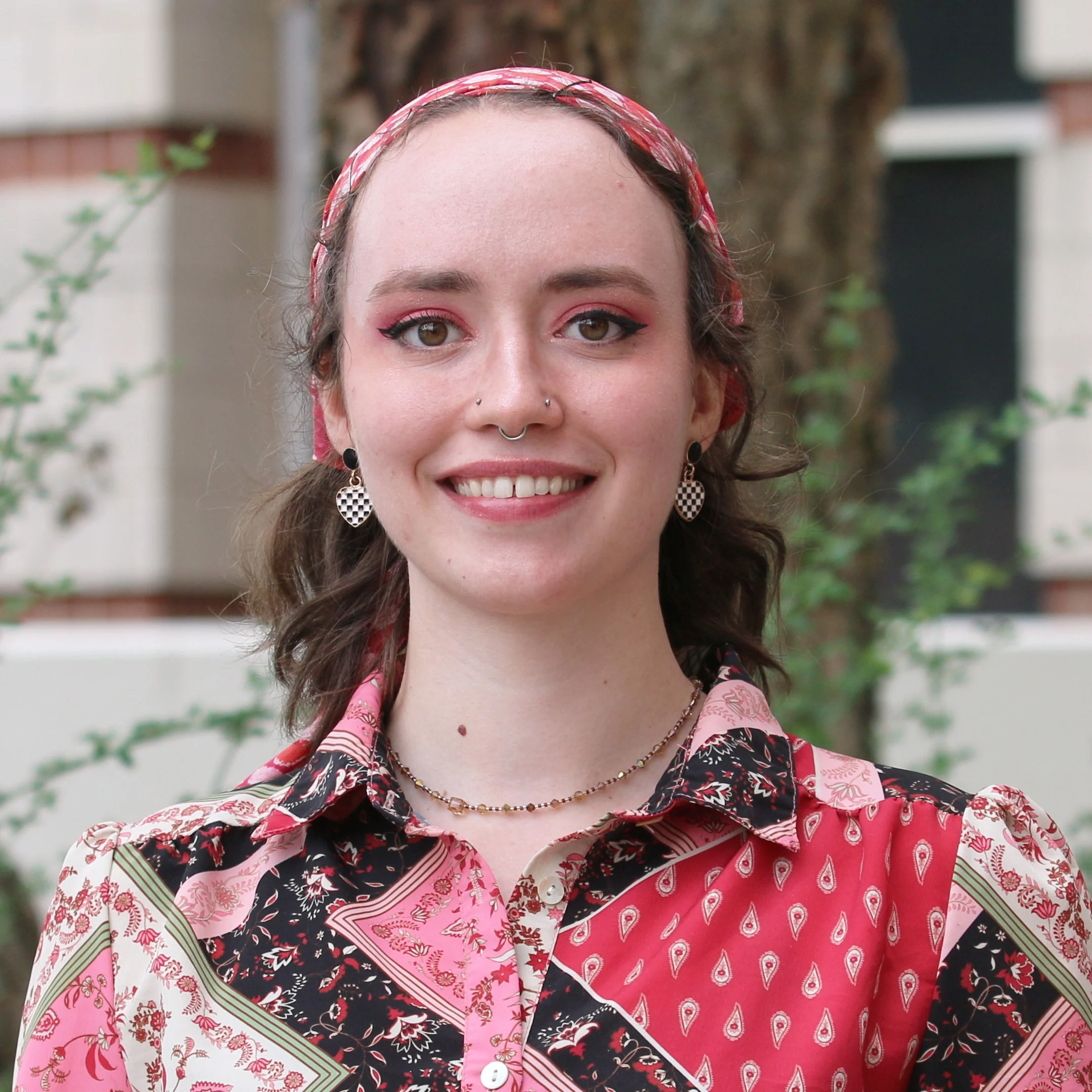
Olivia Asher
Olivia is a Ph.D. candidate at the Institute of Bioinformatics at the University of Georgia, where she studies the microbiomes of plant-associated fungi using DNA sequencing technologies. She is an active volunteer with organizations such as Science for Georgia and the Bioinformatics Graduate Student Association, and is committed to advancing science policy at the intersection of biotechnology and community engagement. Olivia plans to pursue a career in science policy that bridges academic research with public impact.
She holds a B.S. in Biology from the Macaulay Honors College at The City University of New York and Lehman College. -
Aixa Y. Alemán-Díaz, Ph.D.
Aixa is a social scientist with an international perspective seeking an immersive learning experience in science diplomacy. Aixa’s research interrogates global ideas in national policies for science, technology, and innovation (STI) to understand the ways in which national tropes and objectives are co-constructed locally. She is interested in the science of science policy and the politics of innovation. Aixa is a postdoctoral researcher at Emlyon Business School where she examines the organization of science advice across national strategic STI policy making initiatives in emerging technologies. Aixa has also worked on housing policy as a Presidential Management Fellow in the U.S. Previously she co-led an international research network on child and adolescent health in Europe and North America. Aixa has also consulted for the WHO on the European child and adolescent health and well-being strategy, and established a WHO collaborative center on child and adolescent health policy in Scotland. Aixa takes every opportunity to advocate for the use and translation of scientific evidence in policy making. Dr. Alemán-Díaz has a Bachelor's degree and a Master’s in public policy from the University of Chicago, and a PhD in Sociology from the Copenhagen Business School in Denmark.
-
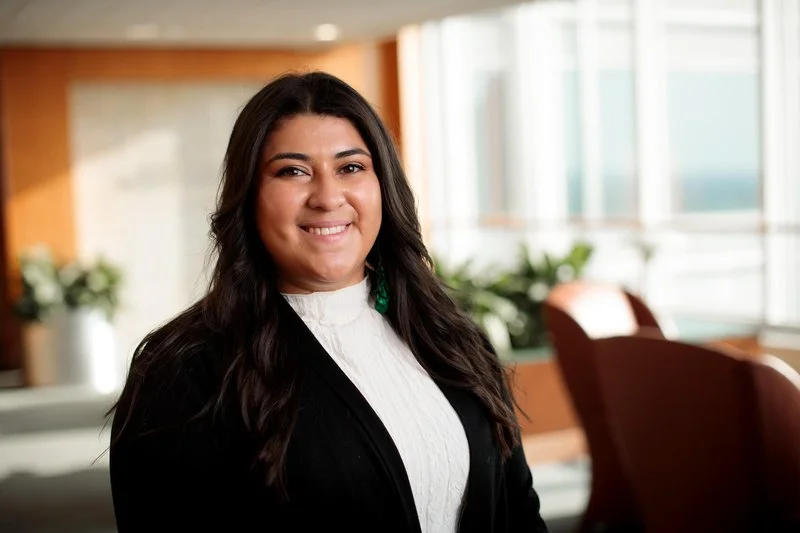
Jennifer Cabezas
Jennifer Cabezas is a PhD student at the Mayo Clinic where her thesis project bridges bench science with community-engaged implementation science to address racial disparities within Triple-Negative Breast Cancer (TNBC). Specifically, her work aims to define the distinct underlying biological mechanisms of TNBC in non-Hispanic Black (NHB) women and further understand the perceptions and experiences of NHB women navigating health care before and after receiving their risk notification for breast cancer. Through her research, Jennifer has developed a diverse set of laboratory skills and sharpened her critical thinking. This scientific foundation, coupled with her community engagement work, has illuminated the critical gap that exists between scientific discoveries and their real-world implementation. Jennifer is committed to narrowing this gap by continuing to uplift historically marginalized communities through her research and advocating for improved policies that promote equitable access and care. She holds a BS in Microbiology from Clemson University where she was awarded the Almeda Jacks Outstanding Undergraduate Award in 2020.
-
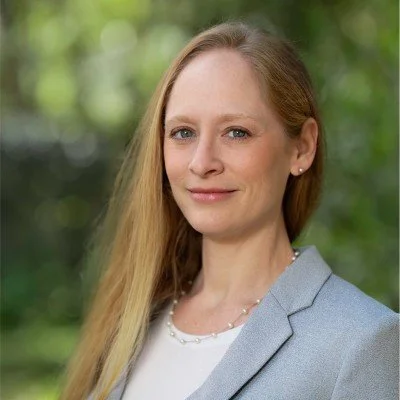
Trista Brophy Cerquera
Trista Brophy Cerquera is a Ph.D. candidate in Interdisciplinary Ecology at the University of Florida and a Climate & Resilience Policy Analyst supporting resilience planning for defense communities and service personnel. Her work bridges science, planning, and policy to advance community resilience and hazard mitigation across local and federal levels. Trista has held roles with NASA, local government, and academic institutions, with a focus on applied research, science communication, and stakeholder engagement. She is passionate about building inclusive, cross-sector collaborations that turn data into action.
Trista is a former AGU Voices for Science Advocate and has served on local climate and environmental advisory committees. She was recently selected for the 2025 Leadership St. Johns program through the St. Johns County Chamber of Commerce, where she is expanding her role in regional policy and advocacy. A committed mentor, Trista has supported students and interns across disciplines and is dedicated to lifting others as she grows in her career. She holds multiple graduate degrees in environmental science and sustainability and integrates her background in public health and water policy to shape equitable, forward-looking solutions for communities facing climate-related risks. -
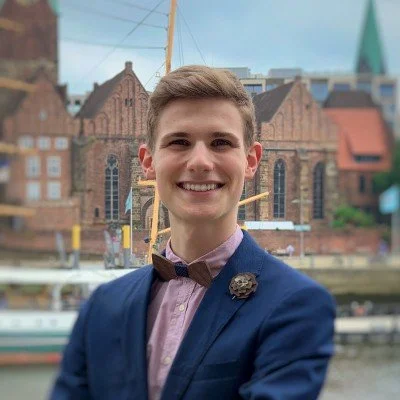
Marco David
Marco David is a PhD student at the University of California, Berkeley. His research lies at the intersection of physics and mathematics. As a physicist, he studies the fundamental building blocks of the universe, as modeled by quantum field theory and string theory. As a mathematician, he explores number theory and geometry to discover new mathematics inspired by theoretical physics. In the course of his work, he also develops and tests new methods for his work, most notably the formal verification of mathematical proofs using interactive theorem provers.
-
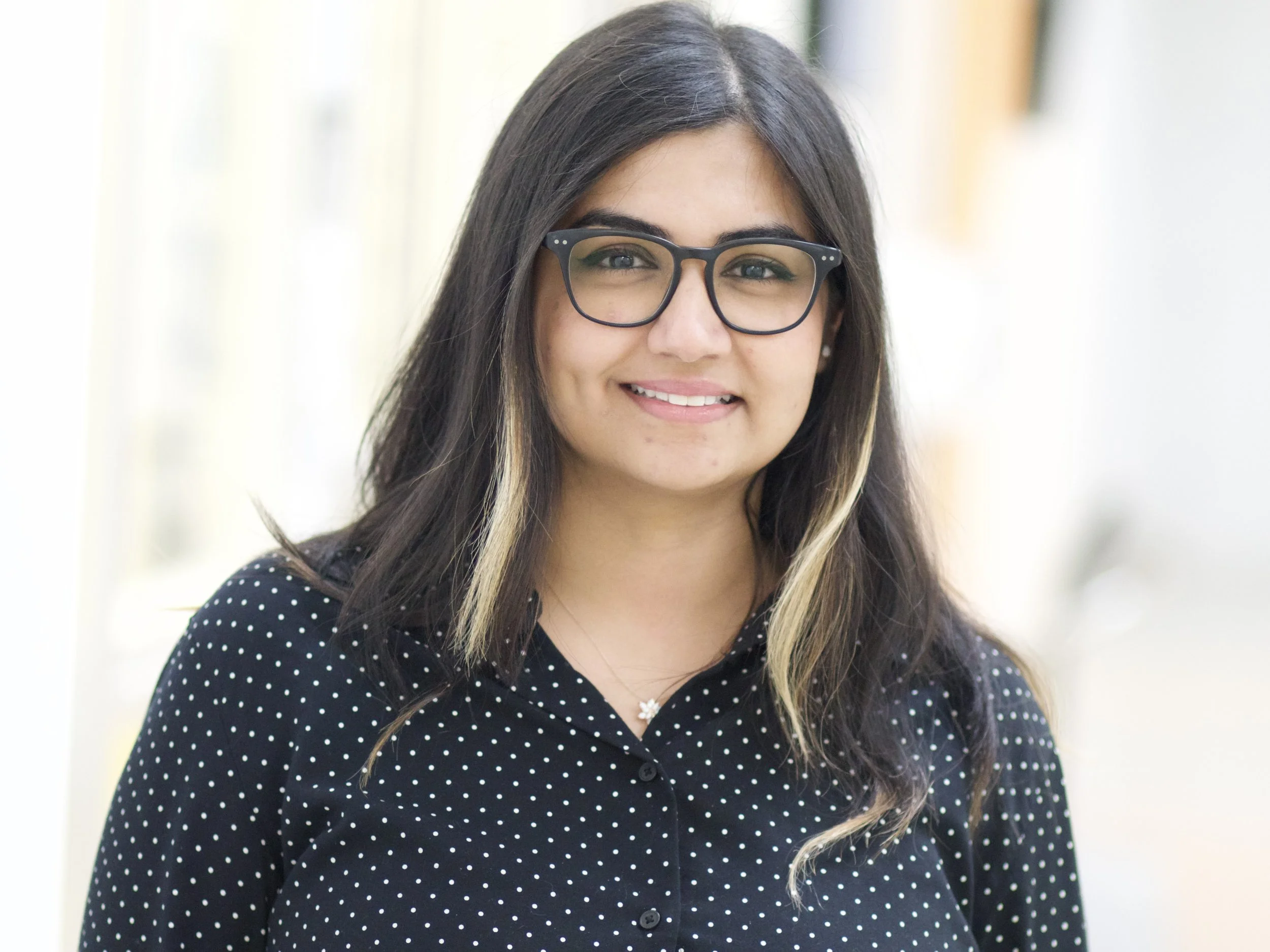
Maheen Khan
Maheen Khan is a PhD candidate in Chemical Engineering at The City College of New York and the CUNY Advanced Science Research Center, specializing in water-responsive materials. Her research focuses on the mechanisms of water-responsive behavior and the role of nanoconfined water, with applications in evaporation energy harvesting. Beyond research, Maheen is committed to shaping science policy, particularly in energy and the environment. She aims to bridge the gap between research and policy to develop programs rooted in the latest science, ensuring broad societal benefits. She is especially passionate about using evidence-based approaches to mitigate the disproportionate impact of environmental and health challenges on women and marginalized communities.
-
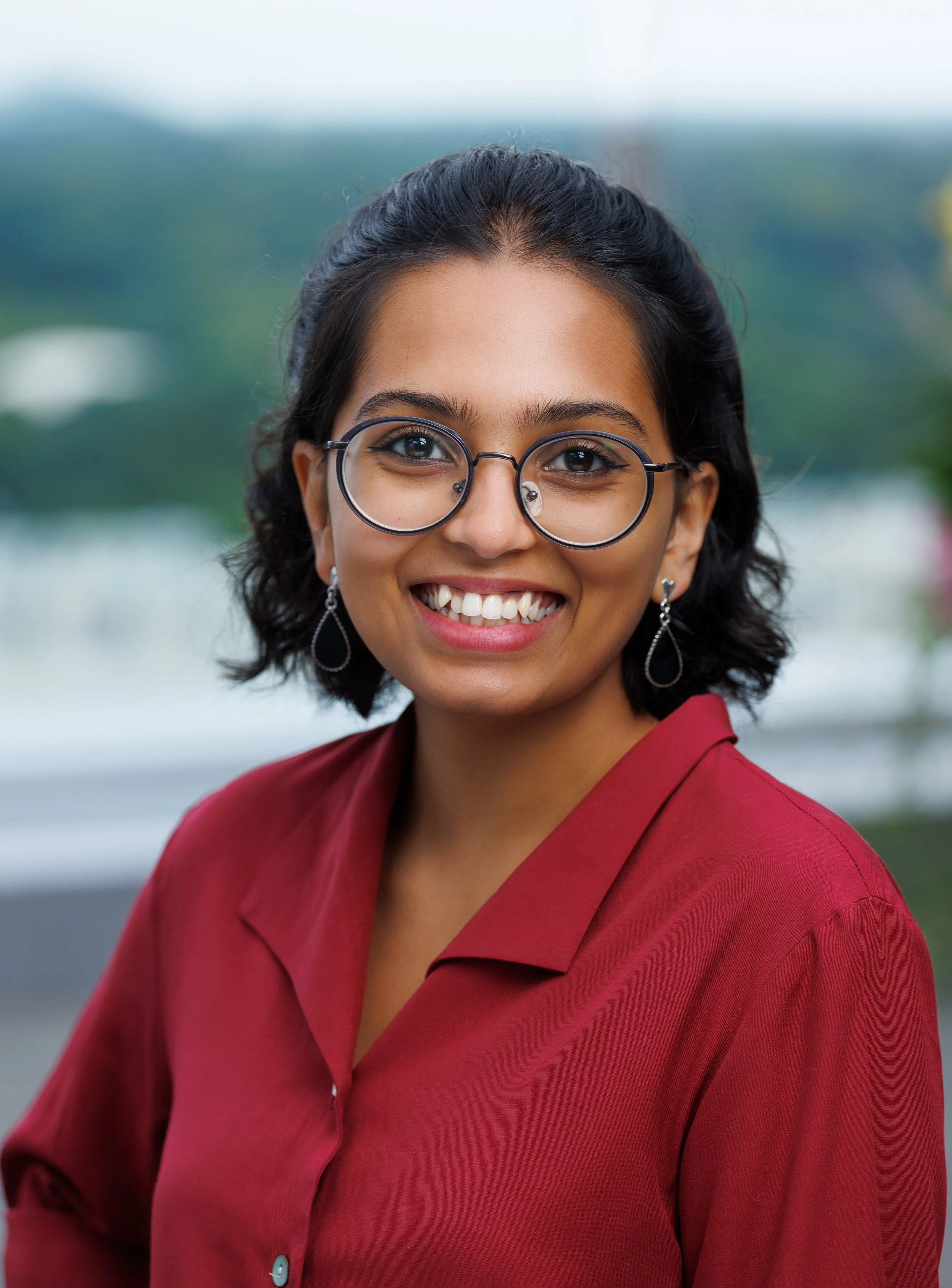
Meera Krishna
Meera Krishna is a PhD student at the Medical College of Wisconsin, where she studies the role of skin collagen in the aging of sensory neurons, to better understand normal aging processes and help advance the development of more effective therapeutics for peripheral nervous system disorders. Her effective science communication skills earned her the inaugural Three Minute Thesis Award at the Medical College of Wisconsin for the presentation of her research. As a co-chair of the Community Outreach by Students in Science committee, Meera has led several community outreach initiatives at her institution, aimed at bringing science to the greater Milwaukee area, and helping students who are passionate about science advocacy and outreach. Meera earned her Bachelor of Science in Neuroscience with an Additional major in Creative Writing at Carnegie Mellon University.
-

Joselyn Landazuri Vinueza
Joss Landazuri Vinueza is a graduate student at the University of Washington and Fred Hutch Cancer Center where she studies how some viruses can cause cancer. In addition to her research, Joss host monthly science talks in Spanish as well as is a science writer for the Fred Hutch newsletter in which she distills complex scientific research into more digestible for the general audience. As a Latina scientist, communicator, and policy advocate, she is passionate about leveraging her academic training, personal background, and cultural heritage to engage underserved communities in both science and the policymaking process.
-
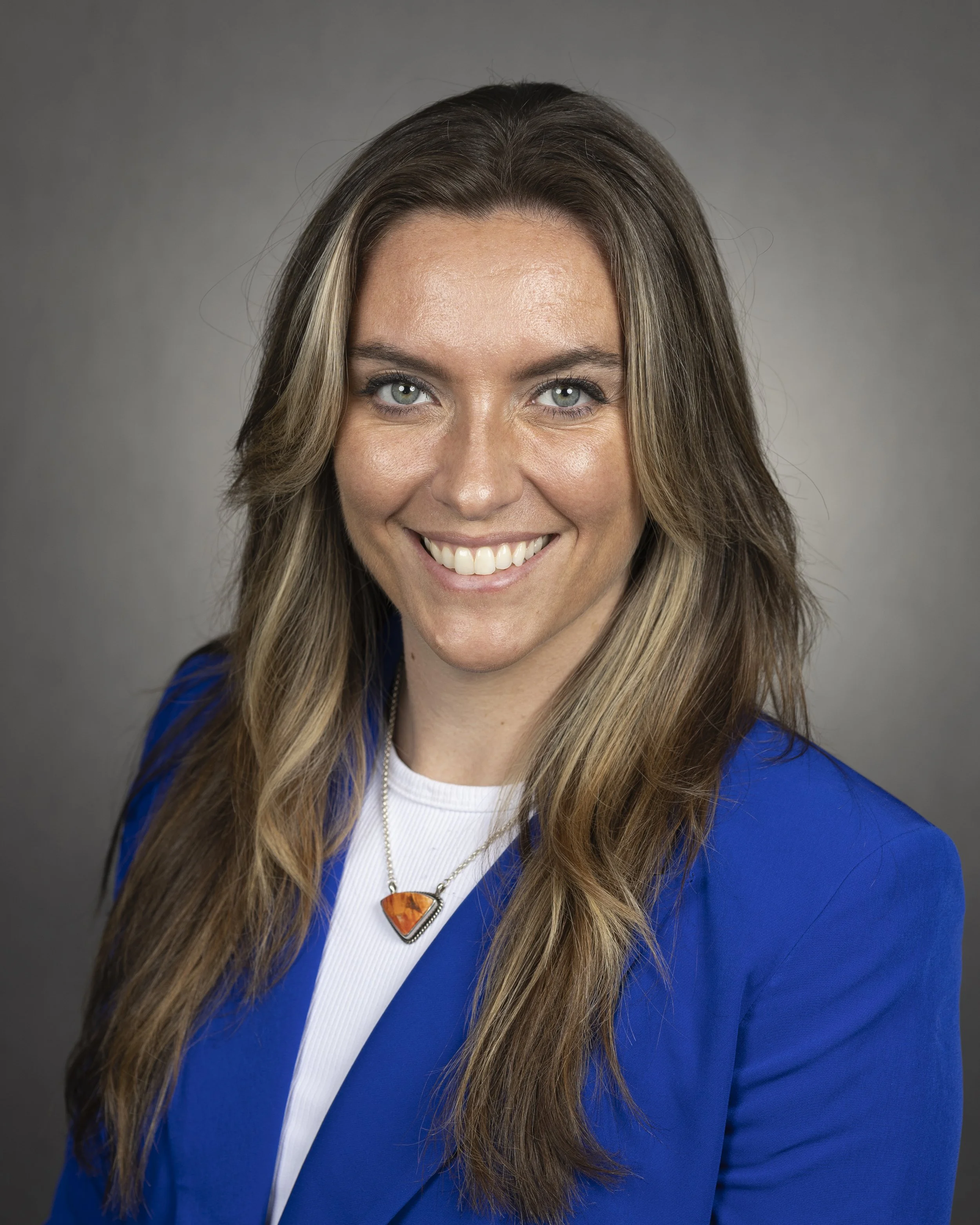
Caitlin McDermott, Ph.D.
Dr. Caitlin McDermott is a postdoctoral researcher in community nutrition, focusing on evaluating the impact of the Expanded Food and Nutrition Education Program (EFNEP) on chronic disease prevention. Dr. McDermott is passionate about advancing government programming, policy, and advocacy to ensure that science-based programs are effectively supported and funded.
Dr. McDermott gives back to her community by offering yoga classes, believing in the importance of community health and wellness. Through teaching yoga, she fosters mindfulness and inclusivity in her community.
As a first-generation college student, Dr. McDermott is dedicated to mentoring students and early-career researchers, especially those from underrepresented backgrounds, helping them navigate the complexities of science and policy. She is committed to promoting diversity, equity, and inclusion in STEM by advocating for policies that provide equal opportunities in research and education.
Through her research and advocacy, Dr. McDermott aims to influence science policy, ensuring it benefits diverse communities and strengthens public health outcomes. She strives to create a more inclusive and impactful future for science and society. She holds both a master's degree and Ph.D. in nutritional sciences, with research focuses in basic science/animal studies and clinical trials. -

Luke Muggy, Ph.D.
Dr. Luke Muggy is an Operations Researcher at the RAND Corporation. With a Ph.D. in Industrial Engineering and an M.S. in Operations Research, he brings experience using quantitative methods to inform public policy.
At RAND, his portfolio includes work for major FEMA studies aimed at improving disaster response and environmental compliance, recovery efforts for COVID-19 and Hurricane Maria, and research on the relationship between urban design and gun violence.
Dr. Muggy is passionate about using policy to build resilient systems that serve diverse communities. He aims to bring analytical rigor and collaborative leadership to global diplomacy efforts, with a focus on sustainable development, equitable recovery, and international cooperation. -
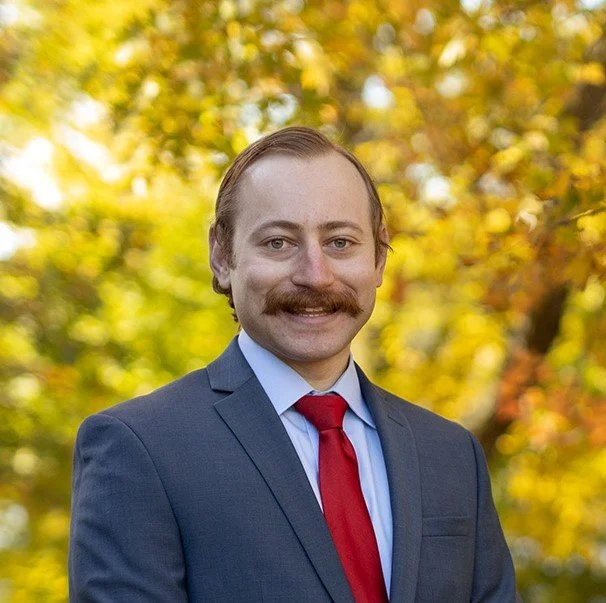
David Ramotowski
David Ramotowski is a PhD candidate studying Civil and Environmental Engineering at the University of Iowa. He previously obtained a BSc in Environmental Science from Virginia Tech and an MSc in Soil Science from NC State. David’s research focuses on remediating polychlorinated biphenyls (PCBs) in sediment using bacteria attached to the surface of biochar. His research is funded by the NIH through the Iowa Superfund Research Program, a research center focused on mitigating the impacts of airborne PCBs. David is passionate about protecting public health and improving environmental justice through his research and plans to enter a career focused on science policy.
David is passionate about communicating his research results to all audiences, having won the 2023 University of Iowa Three-Minute Thesis contest and participated in numerous outreach events. He is involved with NSPN through serving as the treasurer of Connecting Science to Society, a student organization at the University of Iowa focused on science communication and currently developing a comic book on research at the university. He also represents his department in the University of Iowa Graduate Student Senate. In his spare time, David enjoys studying languages, particularly German and Spanish, reading, and volunteering in his community. -

Janel Rivera
Janel Rivera is a Ph.D. student at the Graduate Center of the City University of New York. She is currently studying the role of water on supramolecular water-responsive crystals for energy harvesting applications. Janel grew up in Ponce, PR, and experienced the effects of a poor electric grid that did not combine well with hurricanes and tropical storms. Her experiences in and out of the island have fueled her interest in nanomaterial research and mentoring. She earned a double B.S. in Chemistry and Biomedical Sciences from the Pontifical Catholic University of Puerto Rico, where she got involved in community outreach through the Honors program and the ACS student chapter.
-
Abigail Sisti, Ph.D.
Dr. Abigail Sisti is a Sea Grant Knauss Marine Policy Fellow at NOAA’s National Ocean Service where she serves as an International Policy Specialist in the Office of the Assistant Administrator. She holds a PhD in marine science from the Virginia Institute of Marine Science, and a MS and BS in biology from the University of Alabama. As a graduate student, Dr. Sisti was supported by the NSF Graduate Research Fellowship and NSF INTERN award.
-

Marina Tomer
Marina is the Research Coordinator for the U.S. Geological Survey’s South Central Climate Adaptation Science Center, where she works closely with scientists and resource managers to align climate research with real-world decision-making needs. She is a Ph.D. student in Geography and Environmental Sustainability at the University of Oklahoma. Her research focuses on participatory approaches to climate adaptation, with an emphasis on food and water security in Ukraine. Marina previously served as a John A. Knauss Marine Policy Fellow at NOAA, where she worked on climate and fisheries policy. She holds dual M.S. degrees in Marine Biology and Marine Policy from the University of Maine, where her thesis explored the resilience of Maine’s fishing communities facing ecological and socioeconomic change. Marina is passionate about science-policy integration, climate resilience, and advancing inclusive, actionable solutions through interdisciplinary collaboration.
-
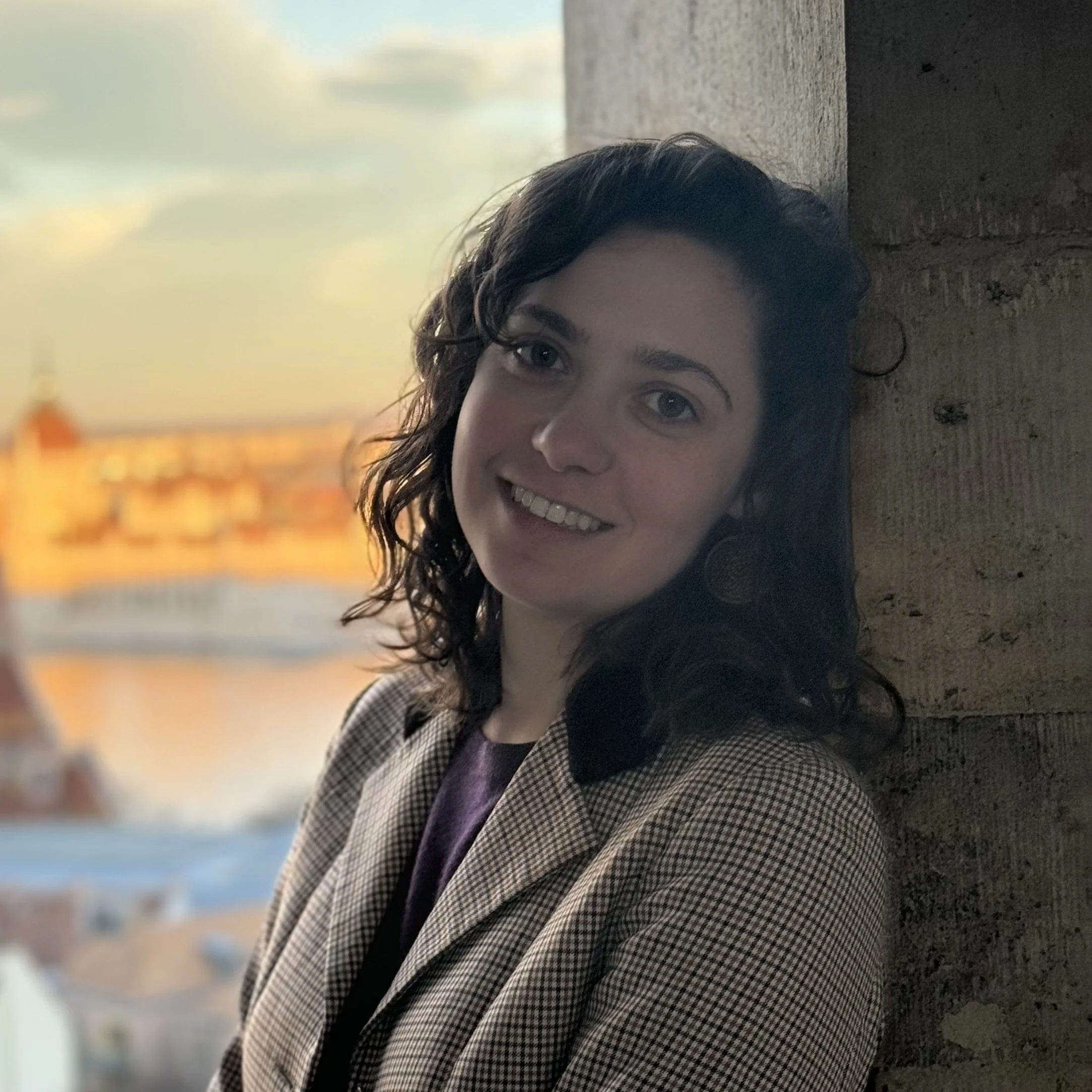
Alexis Wilkinson
Alexis Wilkinson is a doctoral candidate in Bioengineering at Rice University. She obtained her B.S. from the Georgia Institute of Technology in Chemical and Biomolecular Engineering and her M.S. in Bioethics from KU Leuven. Her doctoral work involves developing and optimizing workflows for deploying isothermal nucleic acid tests at the point-of-care. Specifically, she is developing low-cost point-of-care friendly sample preparation methods for DNA tests for cervical cancer screening and sickle cell disease, integrating and optimizing sample-to-answer DNA tests, and evaluating the diagnostic assays in low-resource settings. Alexis collaborates with researchers from MD Anderson Cancer Center, Texas Children’s Hospital, and Universidade Eduardo Mondlane in Mozambique and has extensive experience in international research collaborations and performing clinical evaluations. Alexis is passionate about the role of policy in incentivizing and harnessing the development of accessible technologies to further health equity, and in building trust in the research enterprise among vulnerable communities. Outside of research, Alexis has been heavily involved in student government and has advocated for the needs of women in her department.
2025 Civic Science Fellows
Through Civic Fellows, we invest in the next generation of leaders who bring science and policy together to serve their communities. By creating spaces where scientists, entrepreneurs, elected officials, and the public can engage in meaningful, nonpartisan dialogue, Fellows help transform knowledge into action.
Civic science drives this work, it strengthens public trust in science and equips communities to tackle their most pressing challenges. By valuing diverse perspectives and lived experiences, we foster collaboration and conversation that doesn’t just generate ideas, but turns them into solutions that create lasting, positive change for everyone.
-
Mickey Rogers, PhD
AAAS Science Technology and Policy Fellow
Department of Energy
Politics Aside - Washington, DC & Atlanta, GA -
Mia Klopfenstein
Doctoral Candidate, Chemistry
New York University
Politics Aside - New York -

Arielle N’Diaye
Doctoral Candidate, Health
University of South Carolina
Politics Aside - New York -
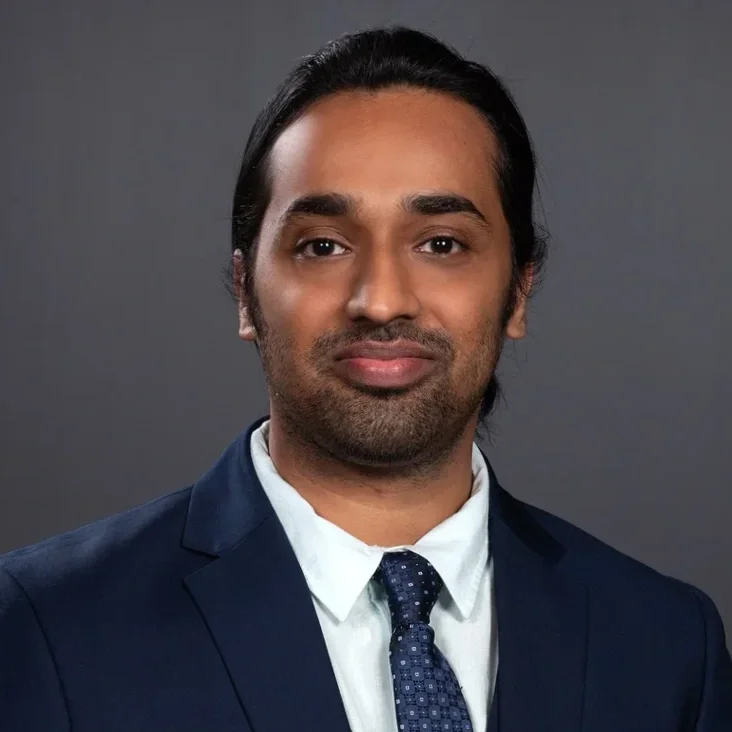
Sai Sankeerth Madakasira, MD
Clinical Research Candidate (MSCR)
Boston University
Chobanian & Avedisian School of Medicine
Politics Aside - Boston, MA -

Erin Cullinane
PhD Student, Computational Biomedicine
Boston University
Chobanian & Avedisian School of Medicine
Politics Aside - Boston, MA -
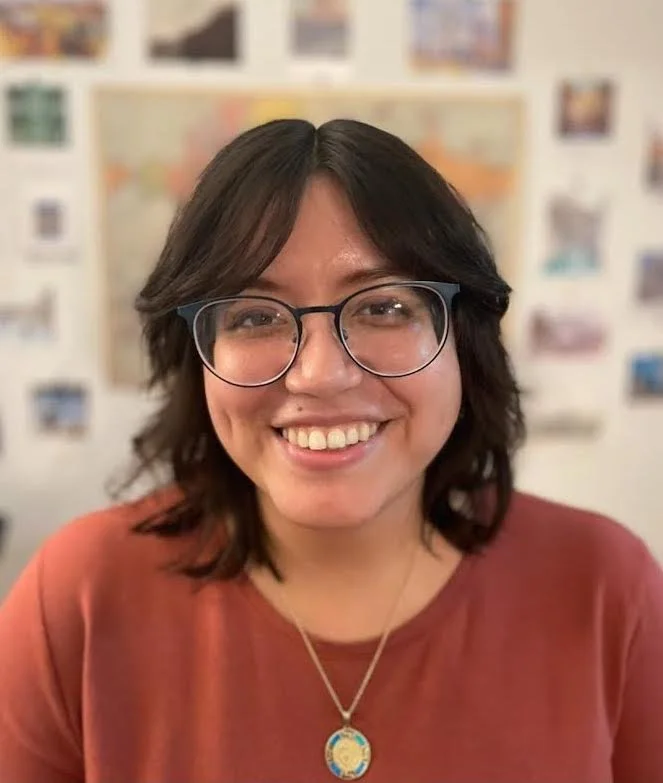
Nicole Bucio
Associate Director of Programs & Engagement
Chicago Council on Science and Technology (C2ST)
Politics Aside - Chicago, IL -
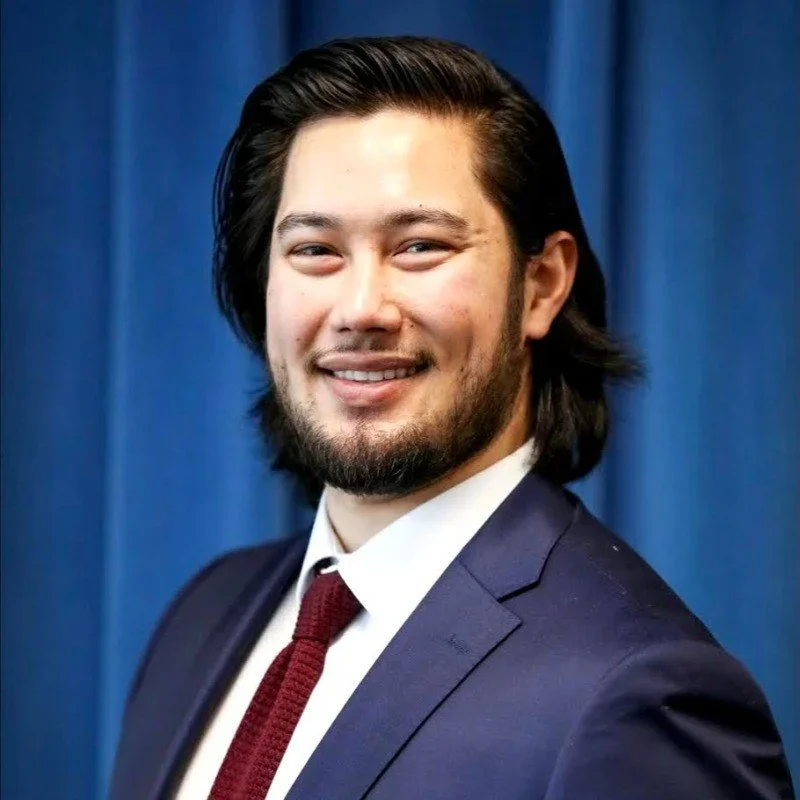
William Ota, PhD
Postdoctoral Research Associate
Department of Fisheries and Wildlife
Michigan State University
Politics Aside - Atlanta, GA -
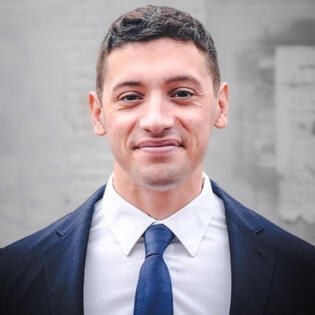
Nathaniel Burola
Executive Fellow
The Digital Economist
Research Consultant
AI + Environment Resources Hub
Politics Aside - Atlanta, GA -

Heidi Martin
Civic Science Youth Intern
-

Jack Jamieson
Civic Science Youth Intern