
2026 National Science Policy Network Cohorts

2026 Science Diplomacy Teams Project
NSPN's Science Diplomacy Teams Program partners small groups of students or early career scientists with science diplomacy organizations. By engaging in high-level, team-based projects, participants gain immersive experiential learning that translates technical expertise into meaningful diplomatic contributions. This program serves as a professional catalyst, allowing scientists to produce tangible results, expand their network, and gain firsthand insight into the evolving landscape of science diplomacy.
This year, the 2026 SciDip Teams Cohort participants will work on high-priority projects with the U.S Department of State.
-

Emma Hibbert
AI Infrastructure & Resource Mapping Priority Project
Emma Hibbert is currently a Senior Research Associate at the Global Resilience Institute at Northeastern University, where she primarily supports projects that translate complex hydrometeorological services into usable science products for US communities to enhance flood resilience. Prior to this role, Emma interned at the Office of Environment Justice & Equity and held roles in the federal government and peak-body organizations concerned with enhancing Australia’s STEM workforce, innovation and research. Emma also holds a Bachelor of Science (majoring in Biodiversity Conservation) & Bachelor of Development Studies from the Australian National University and a Master of Environmental Science & Policy at Northeastern University.
-
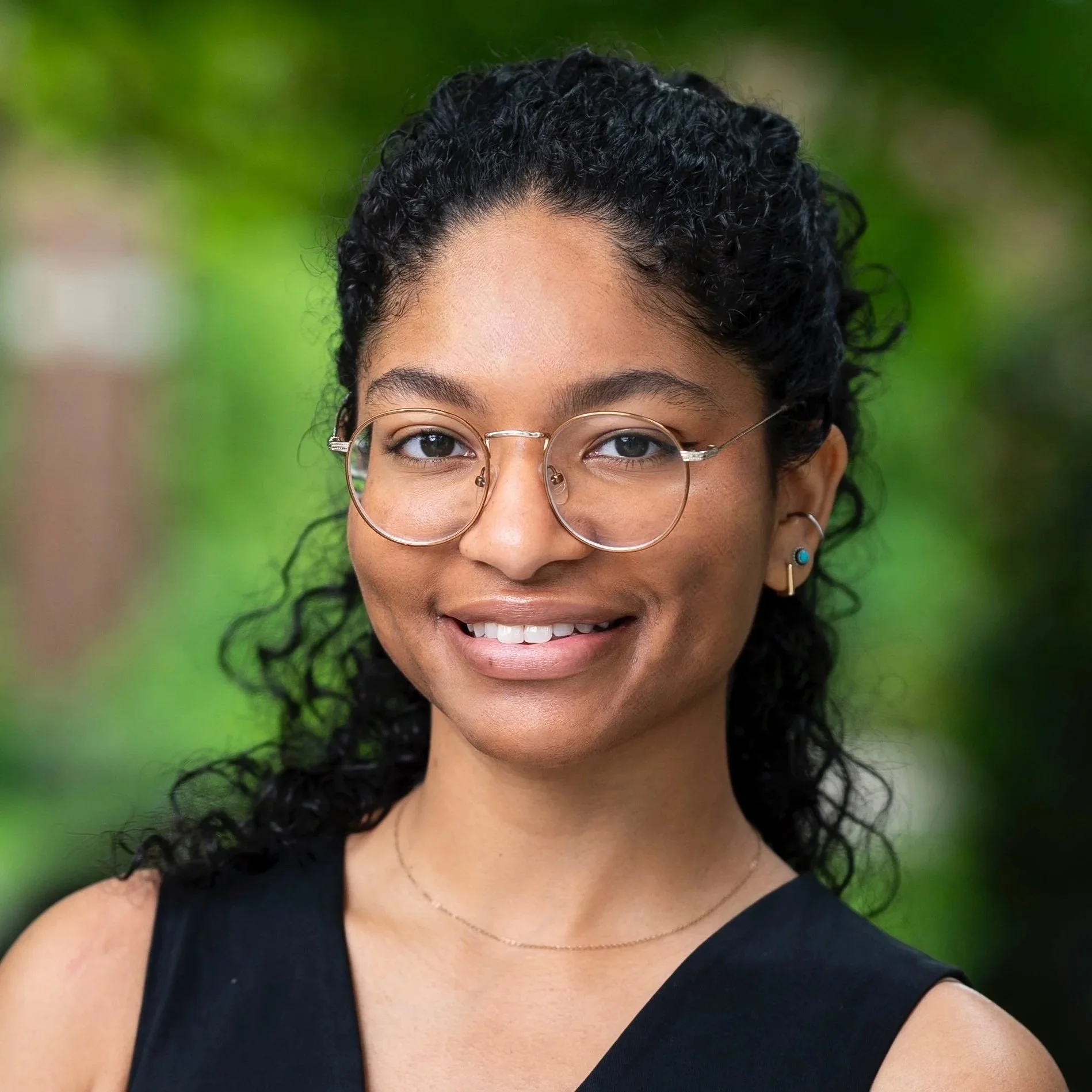
Sabrina Khan
AI Infrastructure & Resource Mapping Priority Project
Sabrina Khan is a PhD student at Johns Hopkins pursuing a degree in planetary geology. Her research is centered around the surface processes that drive landscape evolution across rocky worlds, with a focus on Mars and its geologic history. Sabrina is broadly interested in bridging science, engineering and policy to discover new and equitable ways of exploring space. She is a 3x NASA JPL intern and former MIT Pozen Fellow working in the commercial space industry. Her mission experience includes work on the Perseverance and Curiosity rovers, and the small-satellite BeaverCube. Sabrina earned her bachelors degree from MIT in Planetary Science and Aerospace Engineering in 2021. She is currently funded by the NSF Graduate Research Fellowship.
-

Minjung Kim
Horizon Europe Priority Project
Minjung Kimis a PhD Candidate in the Department of Chemistry at Northwestern University. Her research explores the synergy of metal-organic frameworks and plasmonic nanoparticles for photocatalytic chemical conversions with sustainability applications. Prior to Northwestern, she studied PFAS degradation over boron nitride and gold nanocluster synthesis at Rice University. Minjung is a recipient of the National Science Foundation Graduate Research Fellowship and the Paul & Daisy Soros Fellowship for New Americans.
-

Chima Okoli
AI Infrastructure & Resource Mapping Priority Project
Chima Okoli is a doctoral researcher at North Carolina Central University. His research focuses on the intersection of artificial intelligence, behavioral health, and geospatial science, integrating data-driven methods to address health inequities. He collaborated with the North Carolina State Treasurer’s Office on the AI Pilot Program, using generative AI to enhance government service efficiency. Okoli serves as a Geospatial and Data Research Analyst for NASA and NSF-funded projects at NCCU’s Center for Data Excellence (CoDE). As a Teaching Assistant and STEM Outreach Facilitator, he also facilitates drone training workshops for the Duke BOOST program.
-
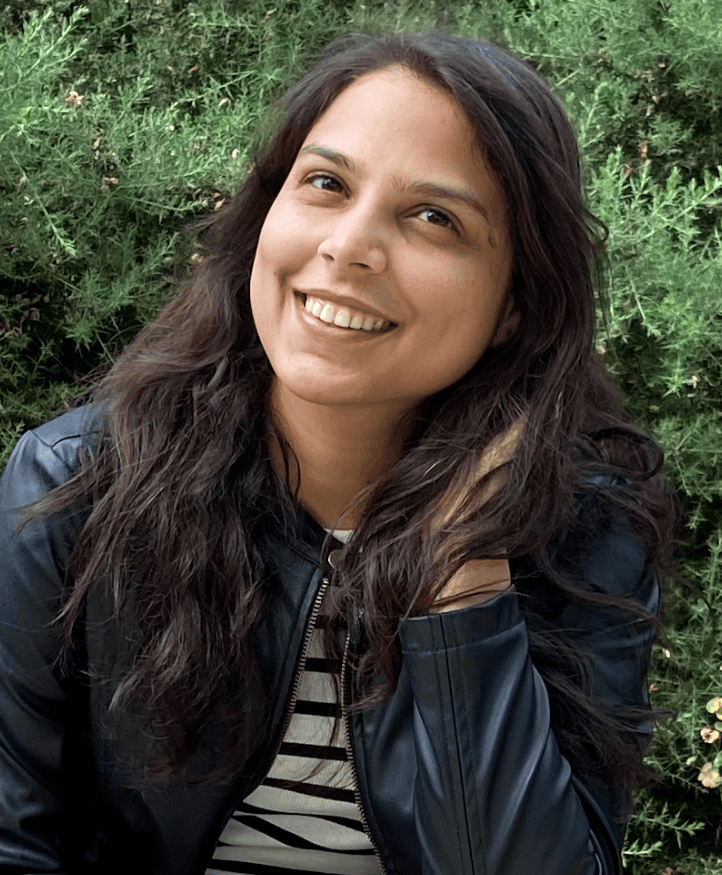
Yamini Rao, PhD
Horizon Europe Priority Project
Yamini Rao is a researcher and science-policy practitioner with a PhD in Astrophysics and postdoctoral research experience at the University of Cambridge, UK. Her work spans astrophysical research and science policy, with a focus on international collaboration and evidence-informed decision-making. She has worked with multinational research teams across Europe and the United States and is interested in bridging scientific research with policy relevance through analysis, stakeholder engagement, and clear communication. Yamini has supported science education and inclusion as a volunteer Science Research Program Manager at YPIE and has pursued formal training in European science diplomacy. She is passionate about expanding equitable access to science-policy pathways and advancing inclusive, globally connected research communities.
-
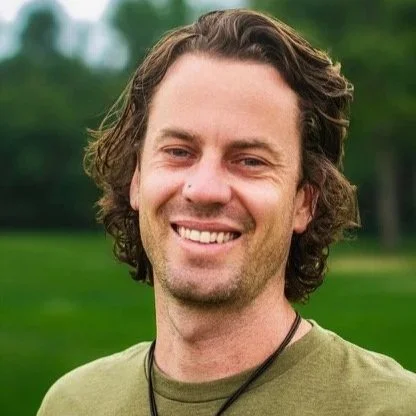
Sean Reilly
AI Infrastructure & Resource Mapping Priority Project
Sean Reilly is a fifth-year PhD candidate at the University of Colorado Boulder, where he studies the psychological factors that shape public support for climate and energy policy. He is an active member of Citizens’ Climate Lobby, where he lobbies policymakers at the local, state, and federal levels. Sean also serves as Vice Speaker in the Graduate and Professional Student Government, where he has led initiatives to advance solutions for graduate students. His work blends quantitative and qualitative methods to support evidence-based decision-making. He holds a B.S. in Psychological and Brain Sciences from UC Santa Barbara, and is interested in science diplomacy at the intersection of AI, infrastructure, and sustainability.
-

Stefano Roccasecca
AI Infrastructure & Resource Mapping Priority Project
Stefano Roccaseccais a Ph.D. student in physics at UCLA. His current research interests include quantum computing in semiconductors, simulation of high-frequency circuits, and fabrication of quantum devices. He completed his B.S. and M.A. at the University of Pennsylvania. Before starting at UCLA, Stefano worked as a Laser Scientist for the Air Force Research Lab. He routinely volunteers for scientific outreach through campus organizations. His interest in policy stems from the current geopolitical environment of the semiconductor industry and its value on national security and entrepreneurship initiatives. His first introduction to science policy was through the National Science Policy Network (NSPN).
-
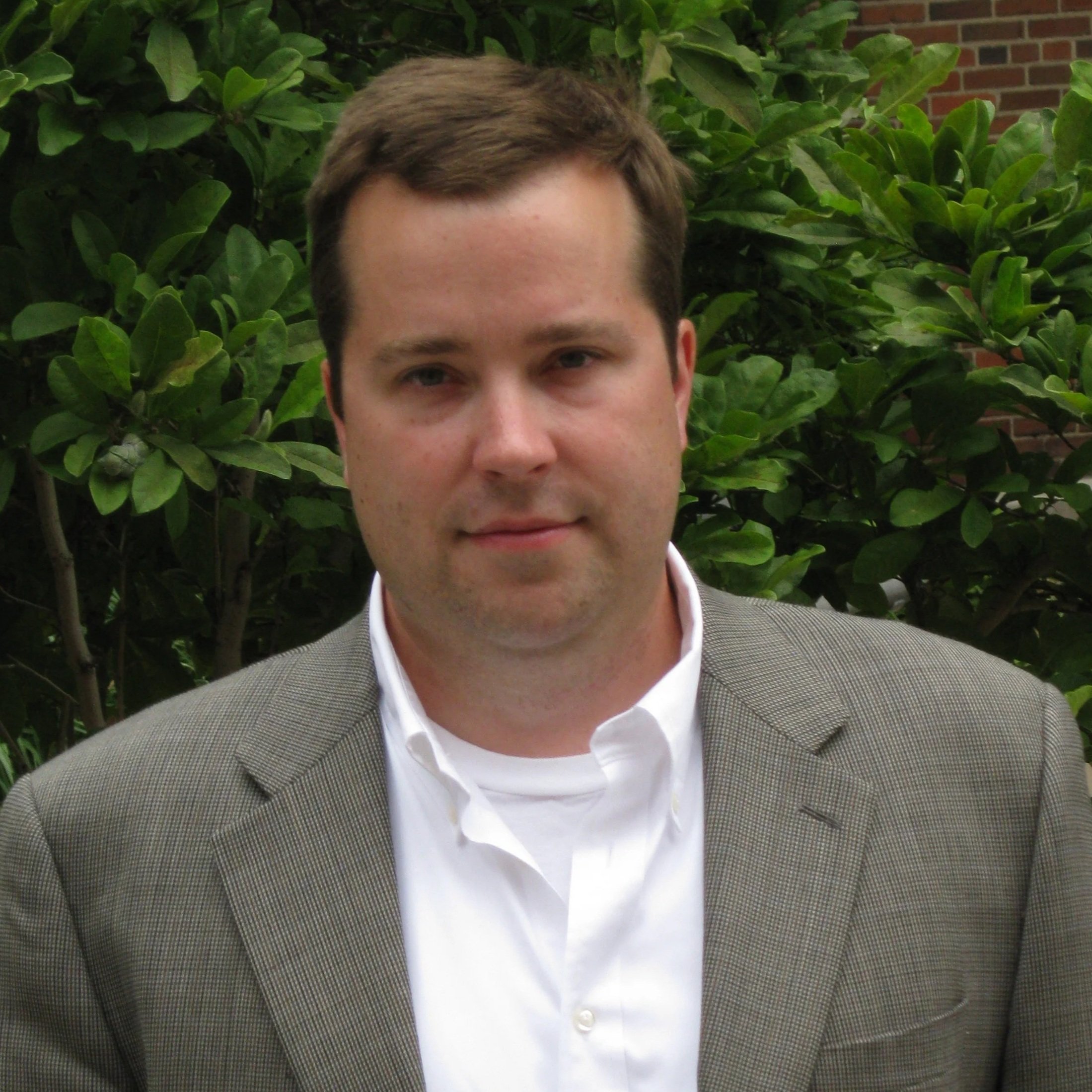
Andrew Samuelson, PhD
Horizon Europe Priority Project
Andrew Samuelson, PhD, is a geneticist who has led NIH-funded research focused on mechanisms linking aging, cellular stress responses, proteostasis, and antiviral defense to uncover principles relevant to neurodegeneration and age-related disease. He completed a PhD in Genetics at SUNY Stony Brook, conducting graduate research at Cold Spring Harbor Laboratory in HHMI investigator Dr. Scott Lowe’s lab on oncogenic signaling and p53-mediated apoptosis. His postdoctoral training was with Nobel laureate Dr. Gary Ruvkun at Harvard Medical School. He is now pivoting into science policy to apply his strengths in evidence-based analysis to high-leverage problems that shape U.S. scientific competitiveness.
-
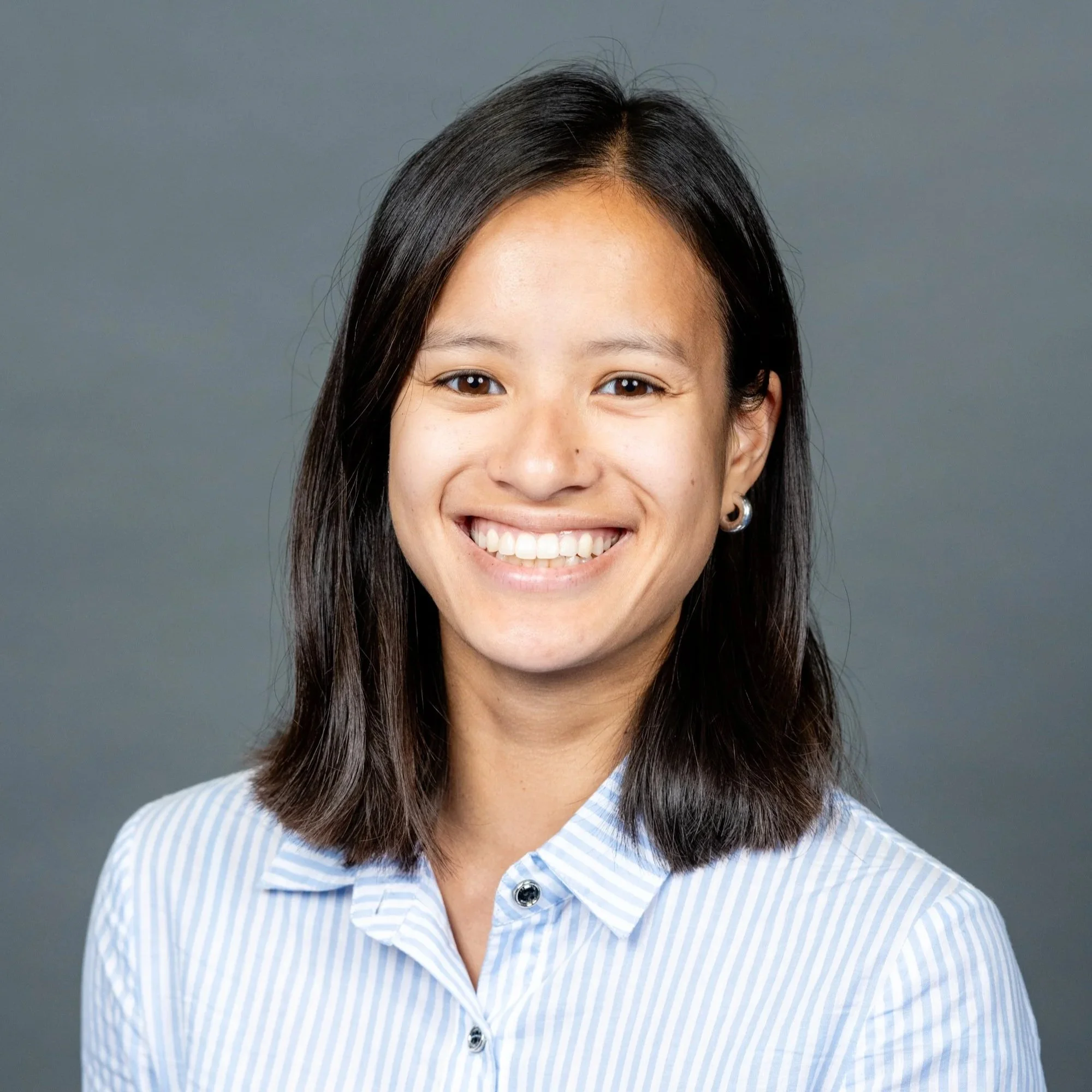
Madelyn Smith, PhD
Horizon Europe Priority Project
Madelyn Smith is a postdoctoral researcher at Loyola University Chicago in a computational chemistry research lab, with a focus on simulating metal ion complexes. She is interested in the intersection between technology and drug development. She is a social media manager for the Chicago chapter of the American Chemical Society and has collaborated to write a 1-page policy brief for a state senator. Madelyn holds a B.S. in biochemistry from Miami University and a Ph.D. in chemistry from Loyola University Chicago.
-
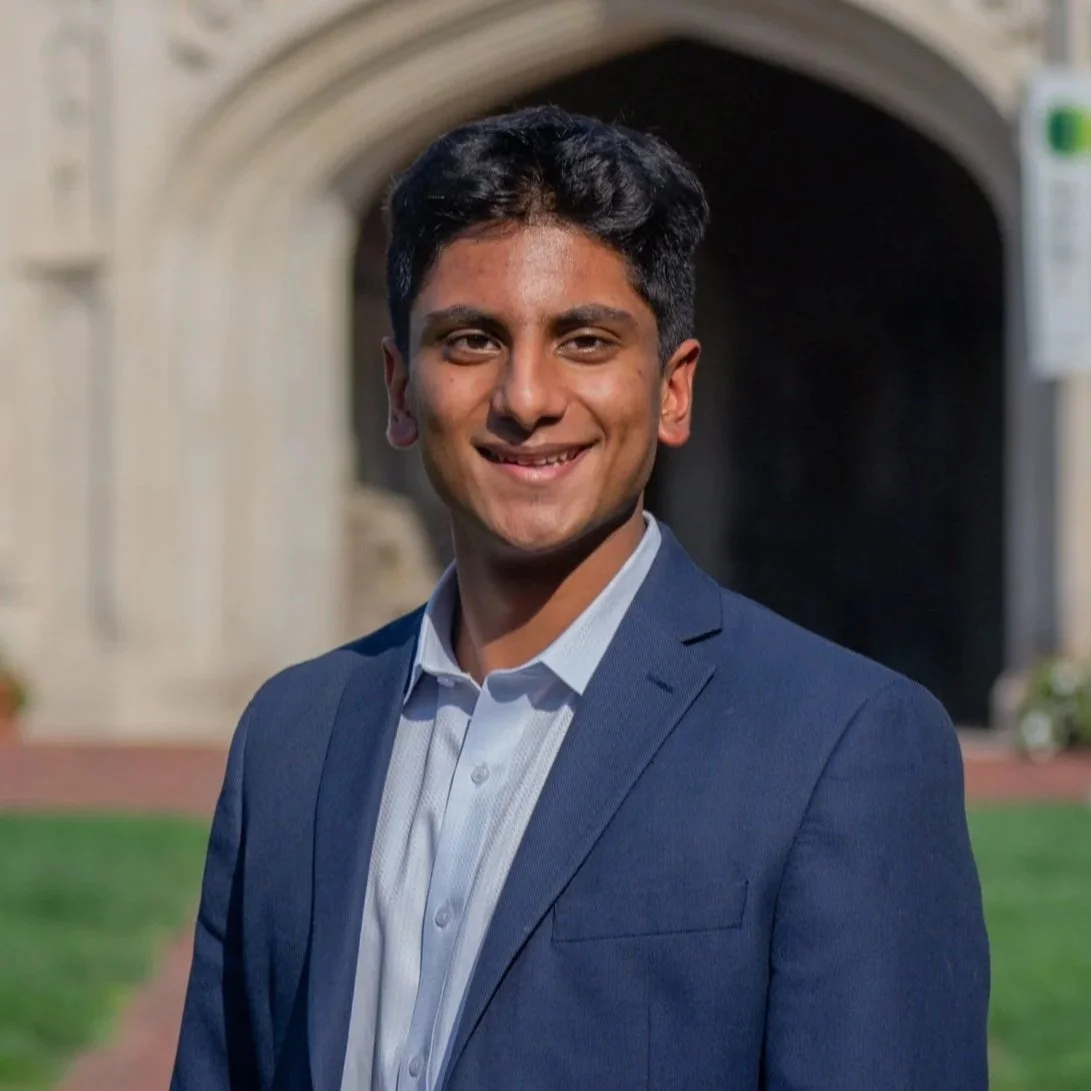
Gautham Sudhakar
Horizon Europe Priority Project
Gautham Sudhakaris a recent graduate of Washington University in St. Louis with a strong interest in pursuing a career in medicine. His experiences have shaped a commitment to understanding how science, policy, and care delivery intersect to improve health outcomes, particularly for underserved communities. He is motivated by work that bridges research with real-world impact and values collaboration across disciplines. Outside of his academic and professional interests, Gautham enjoys competing on WashU’s Mock Trial team, exploring new hiking trails, and experimenting with new food recipes. He values curiosity, balance, and community, and is excited by opportunities that foster inclusive, thoughtful leadership in science and policy spaces.